US–UK Zero-Tariff Deal on Pharmaceuticals: A Lifeline for Britain’s Export Industry, a Rising Cost for the NHS
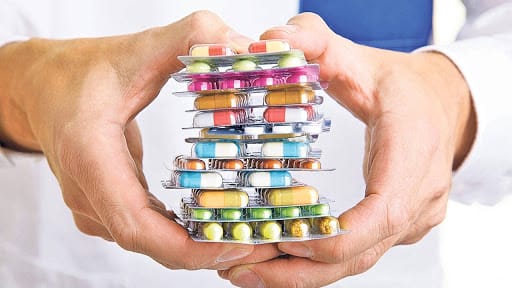
The United States and the United Kingdom have reached a landmark agreement guaranteeing that British pharmaceutical exports will continue to enter the US market tariff-free for the next three years. In return, the UK has agreed to increase how much its National Health Service (NHS) pays for medicines — marking the first time in more than two decades that official drug-pricing thresholds will rise.
The agreement comes after President Donald Trump threatened tariffs of up to 100% on imported branded drugs, a move that would have severely damaged one of the UK’s major export sectors. According to the Department for Business and Trade, Britain exported £11.1 billion worth of medicines to the US in the twelve months ending in September, accounting for 17.4% of all goods exports to America.
What the UK agreed to
Business Secretary Peter Kyle said the deal “guarantees that UK pharmaceutical exports worth at least £5bn a year will enter the US tariff-free.”
Under the agreement, the UK commits to:
-
Raising the NHS cost-effectiveness threshold for new treatments by 25%
-
Increasing NHS spending on medicines from 0.3% of GDP to 0.6% within 10 years
-
Capping the rebate drug manufacturers must pay back to the NHS at 15% (down from 20%+ last year)
In exchange, the US guarantees:
-
Zero tariffs for three years on all pharma products from the UK
-
Stability for British manufacturers facing global competition
White House spokesperson Kush Desai called the deal “a historic step” toward ensuring that other developed countries “pay their fair share,” echoing Trump’s long-standing argument that US consumers subsidise low drug prices overseas.
Industrial pressure and shifting investments
The backdrop to the negotiations is a difficult one for the UK pharmaceutical industry. Several major investments have recently been paused or redirected toward the United States:
-
GSK announced $30bn investment in US R&D and manufacturing
-
Merck scrapped a £1bn expansion in the UK
-
AstraZeneca paused a £200m Cambridge project and committed $50bn to US operations
Industry leaders warned that tariff uncertainty could further undermine the UK's competitiveness as a life-sciences hub.
A growing conflict: drug prices vs NHS sustainability
The agreement sharply intensifies a longstanding domestic dispute over NHS drug spending.
In August, UK Health Secretary Wes Streeting publicly accused drug companies of attempting to “rip off” the NHS after pricing negotiations collapsed. But Science Minister Sir Patrick Vallance later admitted that NHS drug spending had shrunk proportionally for a decade — contributing to fewer innovative treatments reaching patients.
NICE, the government body that evaluates treatments, expects the reforms to result in 3–5 additional drug approvals per year, out of roughly 70 assessments annually.
However, the financial impact is uncertain. Experts estimate:
-
Drug spending could rise by £3bn, according to the Nuffield Trust
-
The NHS, already stretched by staffing shortages and long waiting lists, may face new pressure
-
Treasury funding will be required to prevent cuts elsewhere
Industry reaction
Pharmaceutical firms have welcomed the tariff guarantee. Bristol Myers Squibb said it plans over $500m in UK investments over the next five years.
The UK government claims it is the only country in the world to secure a zero-tariff pharma agreement with the US — positioning itself as a major global centre for life-sciences innovation.
A politically strategic win — but at what cost?
While ministers are celebrating the deal as a victory for trade and diplomacy, critics argue the UK conceded too much. The US secured both tariff-free access and higher prices, while the NHS faces higher long-term costs.
With Britain’s health system strained and elections approaching, the political consequences of this deal may unfold well beyond the next three years.