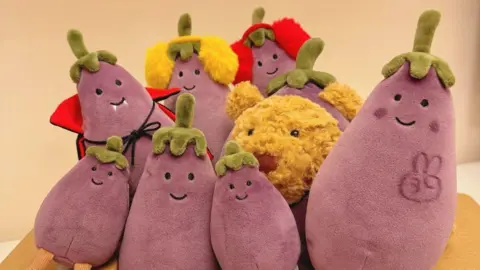
Jellycat Plush Toys Capture the Chinese Market
An Unexpected Success in China
Stella Huang purchased her first Jellycat plush toy during the pandemic after she lost her job. A childhood friend introduced her to these British toys, but her true affection for the brand began when she spotted a gingerbread house toy on the Chinese social media app RedNote. Although Christmas is not widely celebrated in China and is more of a commercial event, Stella was drawn to the toys' aesthetic. Her collection has since grown to 120 toys, costing approximately 36,000 yuan ($5,145; £3,815). "The toys help me regulate my emotions," she admits.
A Joy for the Young
Originally intended for children, Jellycat plush toys have become a global hit, especially in China, where young people seek emotional comfort. Products like the gingerbread house are part of a line called "Amuseables," which appeals to young and middle-aged audiences worldwide. Experts suggest that the toys' popularity is linked to a need for connection during uncertain times, particularly given the context of the pandemic.
Localization Strategies
Jellycat entered the Chinese market in 2015 and has successfully adapted to the pandemic's tone, turning the situation into a success. Marketing campaigns, including pop-up events offering limited edition toys, have contributed to the brand's growing popularity. Sales of collectible toys in China are estimated to exceed 110 billion yuan this year, highlighting a rising trend among young people seeking comfort and connection through these products.
Challenges and Perspectives
However, fans are beginning to notice a decline in discussions about toys on social media. Stella and others are considering alternatives like "blind boxes" containing cheaper toys. While the Jellycat market may seem to have reached its peak, the desire for emotional comfort among young people remains strong.