Blog
Intensive Tensions in the Persian Gulf: The Diplomatic Stalemate between Iran and the United States
Geopolitical Context
The tensions between Iran and the United States have reached a new critical juncture amid a complex diplomatic crisis fueled by the naval blockade imposed by Washington. This situation has been exacerbated by ongoing military conflicts, which have left a profound imprint on regional stability. In the midst of these misunderstandings, Iran has accused the U.S. of perpetuating a state of deadlock, calling for the restoration of dialogue based on mutual respect.The Naval Blockade and Its Impact on Diplomacy
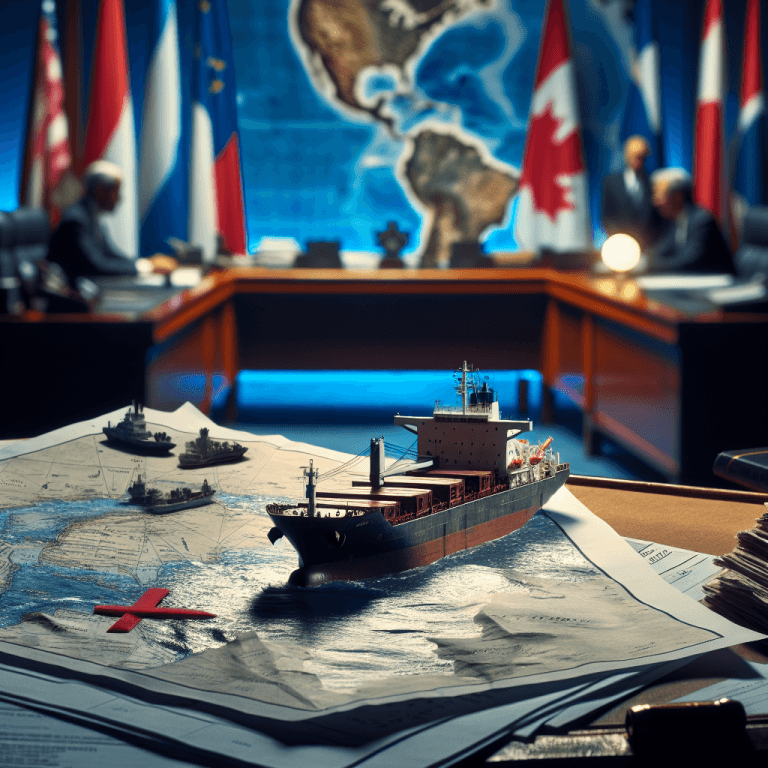
In this case, Iran maintains a firm stance against the naval blockade in the Strait of Hormuz, viewing it as a significant obstacle to resuming negotiations. Mohammad Bagher Ghalibaf, the Iranian parliamentary president, stated:“A complete ceasefire makes no sense if it is violated by the maritime blockade and the creation of prisoners on a global scale.”This type of rhetoric underscores Iran's determination not to yield to external pressures, a stance that drastically limits negotiation opportunities.

Responses from the United States
The Trump administration continues to play a strategic card, maintaining the blockade as a negotiating tool. Despite Iranian calls for a relaxation of the imposed measures, the White House emphasizes that this remains an essential component of American policy in the region. A White House spokesperson stated:“President Trump is satisfied with the blockade and its effects on the Iranian economy.”

This approach suggests not only a military strategy but also a diplomatic maneuver, where the U.S. seeks to bolster its advantage in negotiations.
What Lies Ahead?
In the short term, the prospect for a rapid resolution to the conflict appears bleak. In the face of a “no war, no peace” scenario, as described by a correspondent in Tehran, Iran's economy is severely suffering due to sanctions and the blockade. This instability generates uncertainty and panic among citizens, who find themselves in a perpetual wait for what comes next.
- The economic impact of sanctions on the Iranian populace.
- The risks of military escalation.
- The involvement of the international community in the mediation process.