UNICEF Warns of Systematic Sexual Violence Against Children in Democratic Republic of Congo
Sexual violence against children has become deeply rooted and widespread in the Democratic Republic of Congo
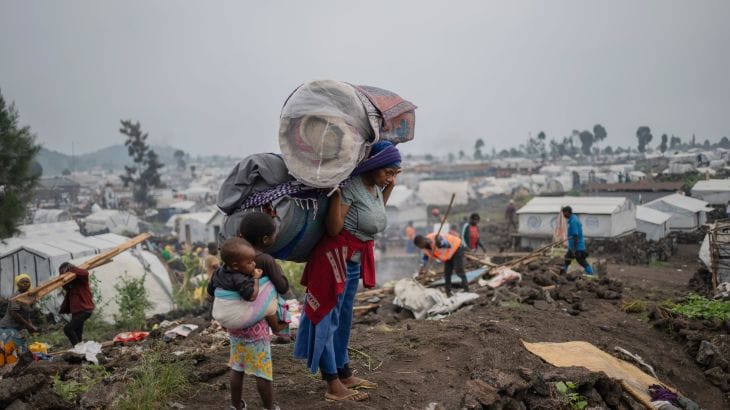
According to the United Nations Children's Fund (UNICEF), sexual violence against children has become a deeply rooted, systemic, and increasingly widespread phenomenon in the Democratic Republic of Congo (DRC), with recent data indicating a sharp rise in cases since the beginning of 2022. This increase coincides with escalating conflicts in the eastern part of the country, where renewed fighting has led to mass displacements, the erosion of protective systems, and a deepening humanitarian crisis, putting children at heightened risk of abuse, exploitation, and lasting trauma.
UNICEF has repeatedly called for an immediate cessation of hostilities and unrestricted humanitarian access, emphasizing that conflict-driven displacements and poverty are fueling violence against children on a national scale.
The report titled "The Hidden Scars of Conflict and Silence" documents cases from every province, highlighting that the crisis far exceeds active front lines. The highest numbers are reported in conflict-affected eastern provinces such as North Kivu, South Kivu, and Ituri, where insecurity, displacement, and weak protection services make children extremely vulnerable. Significant numbers are also reported in Kinshasa and the Kasai regions, where poverty, food insecurity, and rising school drop-out rates increase exposure to exploitation, early marriages, and abuse.
National figures compiled by child protection service providers indicate that over 35,000 cases of sexual violence against children were recorded in the first nine months of 2025. In 2024, nearly 45,000 cases were documented, almost three times more than in 2022, accounting for almost 40% of all reported cases of sexual violence in the country.
UNICEF warns that the actual figure could be much higher, as fear, stigma, insecurity, and limited access to services prevent many survivors from reporting abuses. The report underscores that survivor testimonies, alongside data, reflect the magnitude of the crisis and the resilience of those affected — a resilience that UNICEF believes must shape the response.
"Caseworkers describe mothers who travel for hours to reach clinics with daughters who can no longer walk after being assaulted," said UNICEF Executive Director Catherine Russell. "Families report that fear of stigmatization and retaliation often prevents them from reporting the abuses. Such stories are repeated across the country, exposing a deeply rooted crisis fueled by insecurity, inequality, and weak support systems."
Adolescent girls represent the largest and fastest-growing segment of reported cases, although boys are also subjected to sexual violence and remain significantly underrepresented due to stigma and underreporting. Children with disabilities face heightened risks, as physical, social, and communication barriers increase vulnerability and restrict access to care and justice.
By the end of 2025, the UN Special Representative for Children and Armed Conflict, Vanessa Frazier, warned that children in the DRC and other conflict zones faced extreme levels of abuse throughout the year. In her statement, she cited the DRC alongside Gaza, Haiti, Myanmar, Nigeria, Somalia, Sudan, and Ukraine as contexts where children continue to suffer "atrocious levels of serious violations in 2025."