Unity and Hope: DR Congo's Historic World Cup Qualification
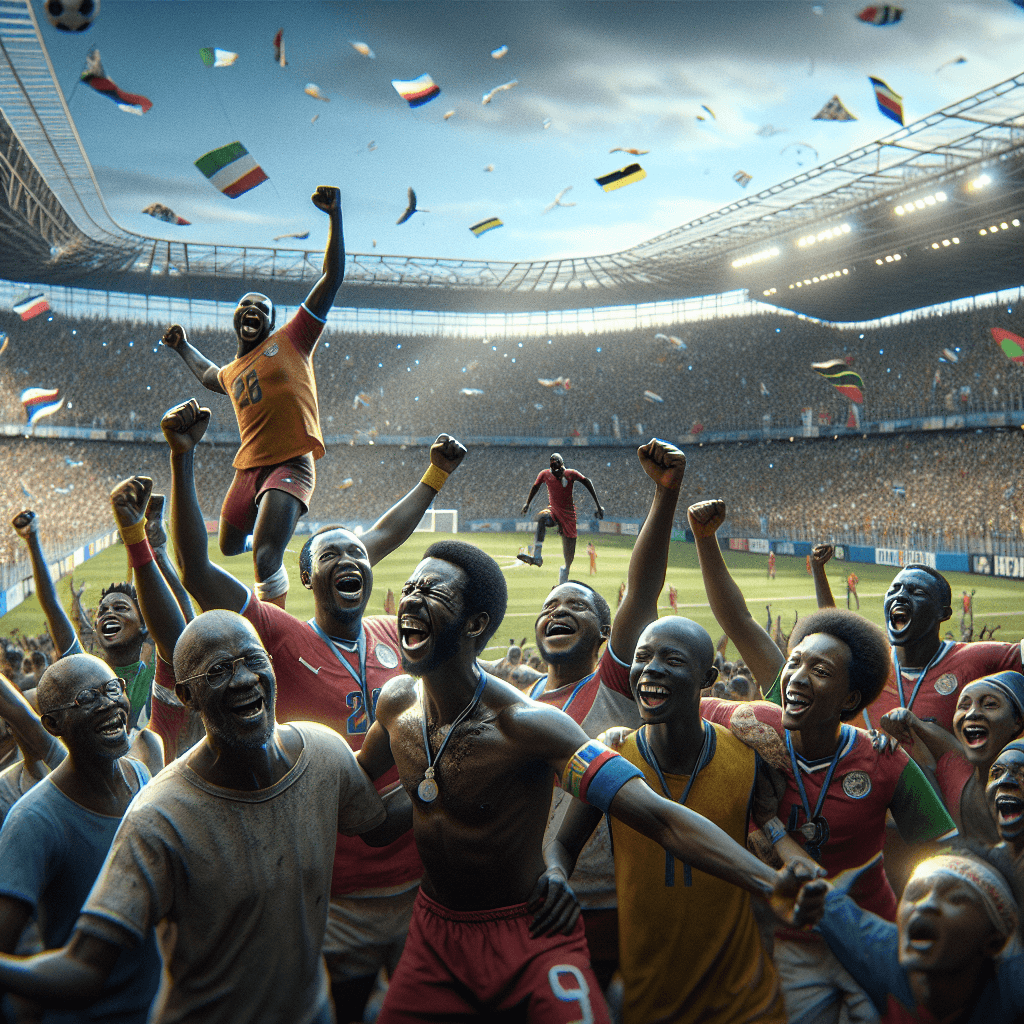
In a historic moment for African football, the national team of the Democratic Republic of Congo (DRC) has qualified for the World Cup for the first time in 52 years, igniting an explosion of joy and national pride. After a titanic match against Jamaica, the DRC secured its place on the biggest stage of world football, a feat that transcends the boundaries of sport.
Victory and National Unity
Axel Tuanzebe, the former Manchester United player, emerged as the national hero with a goal scored in the dying minutes of the match, propelling the team to the World Cup finals. This moment was not merely a sporting victory; it symbolized hope and resilience for a country marred by decades of conflict and instability. Authorities in Kinshasa declared a national day of celebration, offering the nation an opportunity to unite and rejoice in this triumph.
The World Cup as a Symbol of Hope
Qualification for the World Cup is more than a sporting achievement. It serves as a strong signal of optimism and represents an opportunity to unite a suffering population. An emotional fan expressed that this victory brings pride even amidst harsh realities where pain and war have become part of daily life. This achievement reminds Congolese people that they are capable of great accomplishments despite the obstacles they face.
The Impact of Sports Activities on Society
Sport, particularly football, possesses a unique ability to find common ground amidst sociopolitical divergences. In the DRC, where internal tensions are often evident, football can serve as a tool for reconciliation and restoring social cohesion. This victory has united people from all corners of the country, generating a wave of emotion that transcends tribal or political borders.
Challenges Behind the Triumph
While the national team’s victory offers a ray of hope, it is crucial not to overlook the challenges DRC faces. Civil war, population displacements, and political instability have left deep scars on society. The recent escalation of violence in the eastern part of the country, where armed groups such as M23 continue to create chaos, highlights the fragility of the situation. While the team has managed to inspire on the football field, the realities beyond it are far more complex and harsh.
The Message of Unity from Governments
Even in the face of a tumultuous past, messages of unity have been a recurring theme in the reactions from officials. The government of Rwanda, a neighboring country known for its historical tensions with the DRC, congratulated the Congolese team and sent a message of support. Such gestures, though symbolic, suggest a desire to find common ground in the name of sport, which can help alleviate conflicts and linguistic divergency between the two nations.
A Challenging Road Ahead of the World Cup
The DRC will face top competitors in the World Cup groups, including the renowned Cristiano Ronaldo, which will bring not only sporting challenges but also the pressure of meeting expectations. Reviewing the performances of African teams in past competitions, it is evident that the path to success is often winding. Participation in prestigious international competitions may also bring increasing aggression from both players and supporters. This will be a moment for the DRC to demonstrate its capability to perform on a global stage, despite internal difficulties.
Reflections on the Future of Football in the DRC
The national team's success may also influence the perception of sports at the local level. Increased interest in football can generate economic opportunities, encourage youth participation in sports, and improve living conditions. Local clubs and football academies could receive better support from authorities and sponsorships, stimulating the development of homegrown talent.
Whether through socio-cultural excitement or the intense emotions experienced after this victory, the DRC finds itself on a potentially promising path. The celebration in Kinshasa represents a unique moment, as well as a rare opportunity to reflect on the value of football as a tool for social cohesion and unity. The DRC's entry into the ranks of World Cup participants will undoubtedly compel a reconsideration of football’s place in the hearts and minds of the Congolese people.
The Warhial Perspective
The DRC's qualification for the World Cup is not merely a tale of sporting success; it serves as a catalyst for hope and reconstruction. It exemplifies the power of sport as an instrument for social change and unity, even in the most challenging times. Looking ahead, it is essential to continue supporting initiatives that promote football and other cultural activities to build a strong and cohesive nation capable of confronting its challenges.