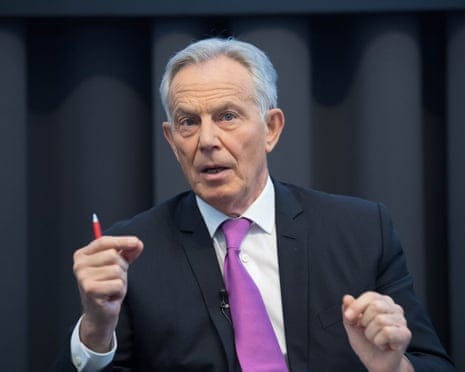
Trump Admits Higher Aspirin Dosage; Is It Dangerous?
Trump's Health Issues and Aspirin Habits
Health concerns surrounding Donald Trump have intensified after the former President of the United States revealed in an interview with the Wall Street Journal that he is taking a daily dose of aspirin higher than what doctors recommend. At the age of 79, Trump stated that he takes 325mg of aspirin per day to prevent heart problems, which is considered at the upper limit of the dosage for this purpose.
"They say aspirin is good for thinning the blood and I don't want thick blood flowing through my heart," Trump remarked. "I want nice, thin blood." He acknowledged that he has been taking this high dose of aspirin for 25 years.
Concerns about Trump's health have grown following the appearance of bruises on his hands over the summer. In July, he was diagnosed with chronic venous insufficiency, a condition considered benign, affecting blood circulation. A White House spokesperson explained that the observed bruises were linked to soft tissue irritation caused by frequent handshakes and aspirin use.
Moreover, it was recently reported that Trump underwent an MRI exam as a precautionary measure, although official details from the White House have proven contradictory.
What is Aspirin and What Are the Risks?
Aspirin, also known as acetylsalicylic acid, is a non-steroidal anti-inflammatory drug with blood-thinning properties. While it is useful for alleviating pain, fever, and inflammation, improper dosing can lead to serious side effects such as gastric ulcers or bleeding.
The typical recommended aspirin dosage varies, but it usually falls between 81mg to 325mg per day for individuals with cardiac risks. However, excessive use can lead to poisoning, which can have severe and even life-threatening consequences.
Medical professionals recommend caution, especially among older individuals, given the heightened potential risks. Thus, aspirin use should be closely monitored. The premature health of a leader like Trump raises questions regarding his medical decisions and their impact on his presidency.