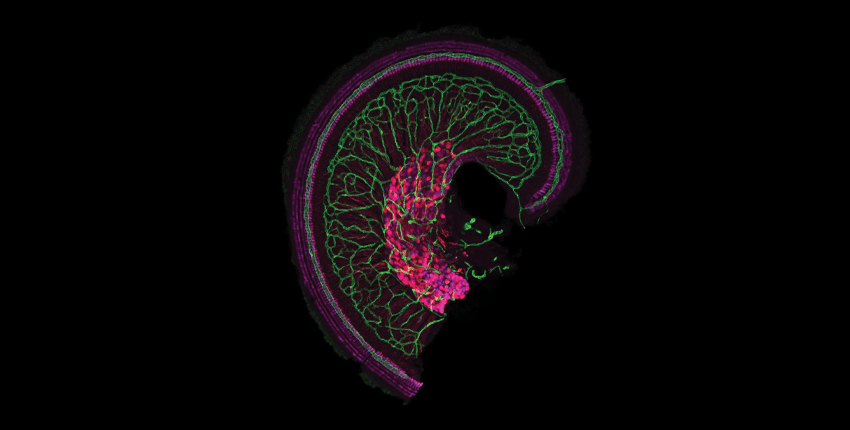
Gene Therapy Aims to Restore Hearing for Those Born Deaf
Gene Therapy for Hearing
For individuals born with certain types of congenital deafness, cochlear implants have represented a beneficial and enhancing technology. This device utilizes electronics to replace the malfunctioning biological ear, providing a useful, albeit imperfect, sense of hearing. Recent research promises another potential solution for those suffering from congenital deafness. Instead of a supportive device, gene therapy is being utilized to enable the biological ear to function as it should. The result is that patients regain their hearing, not through a prosthetic device, but through their own ears.
What is DB-OTO?
Cochlear implants are a popular treatment for many types of congenital deafness. The causes of congenital deafness vary, each having its peculiarities. In the case of hearing loss associated with the OTOF gene, it involves a genetic alteration of a critical protein. The otoferlin gene is responsible for producing the protein of the same name, which is essential for normal and functional hearing. This protein facilitates communication between the inner hair cells in the ear and the auditory nerve that transmits these signals to the brain.
Patients with a condition known as autosomal recessive deafness 9 possess a non-functional variant of the otoferlin gene, preventing normal production of this protein. Without the appropriate protein, the auditory nerve does not receive correct signals from the hair cells, resulting in profound deafness. The traditional treatment for this type of congenital hearing loss is the use of a cochlear implant, an electronic device that captures sound and transforms it into electrical signals. However, the quality and fidelity of perception are strictly limited compared to a fully functional human ear.
Promising Results
The DB-OTO gene therapy was initially tested on mice, showing it could improve auditory response by creating the protein necessary for nerve conduction between hair cells and the auditory nerve. The treatment involves delivering the DB-OTO gene therapy to one or both ears through a surgical procedure similar to cochlear implantation. An initial study provided DB-OTO treatment to twelve patients, aged between ten months and sixteen years. Eleven of these patients developed improved hearing within weeks of treatment. Nine patients achieved sufficient improvement to no longer require cochlear implants, resulting in viable natural hearing. Positive outcomes were persistent, with signs of speech development observed in three patients involved in the study.
The company behind this research, Regeneron, is eager to apply these findings to other types of genetically caused hearing loss. While DB-OTO remains an experimental treatment for now, approvals necessary for its future use are currently in progress.