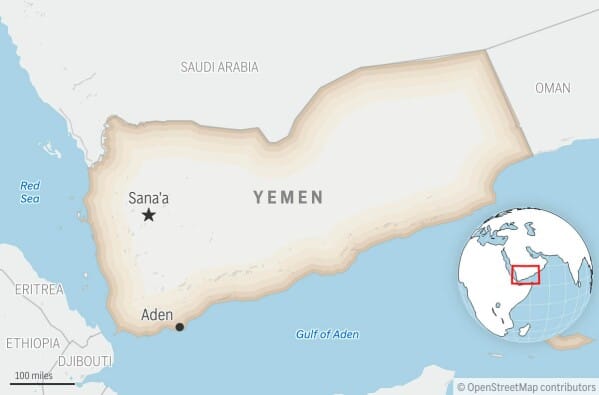
Escalating Tensions Between Saudi Arabia and UAE Impact Yemen's Government
Escalating Tensions in Yemen
The recent coup by Saudi Arabia in the port city of Mukalla has ignited tensions with its coalition partner, the United Arab Emirates (UAE). Major General Turki al-Maliki, spokesman for the coalition, announced that two ships entered Mukalla port carrying over 80 vehicles and containers of weapons and ammunition intended for the Southern Transition Council (STS), without notifying Saudi Arabia or the internationally recognized Yemeni government.
Disputes between the two allies have escalated, reaching a critical juncture that could significantly impact Yemen. The Yemeni government has lost control of events following a military escalation between Saudi Arabia and the UAE in the Hadramout governorate, where Mukalla is located, in December.
The Presidential Leadership Council (PLC) is now divided into two factions, each loyal to one side of the conflict. These tensions had remained largely concealed for years but have now publicly intensified in recent days. Saudi Arabia and the UAE are key members of the military coalition in Yemen, formed to confront the Houthi group, which seized control of the capital, Sanaa, in 2015.
The conflict of interest between Saudi Arabia and the UAE has gradually intensified since the formation of the STS in 2017 as a separatist political and military force. Earlier this December, STS forces overstepped acceptable limits by taking control of all southern governorates, including Hadramout and al-Mahra, which Saudi Arabia perceives as a threat to its national security.
Hadramout is also economically significant for Yemen, possessing oil and gas resources, as well as a vital border with Saudi Arabia, making it crucial for border security and trade. The latest tensions between Saudi Arabia and the UAE are expected to adversely affect the political, economic, and military situation in Yemen.
Political circles in Yemen are split into two camps, each supporting one of the external parties to the conflict. The most clear-cut results of these differences will be visible within the PLC, an internationally recognized body that is already divided into groups loyal to Saudi Arabia and the UAE.
Amid this conflict, leaders from both sides have issued contradictory statements regarding al-Alimi's calls for the withdrawal of the UAE from Yemen, highlighting how Yemen is becoming a battleground for proxy wars. In the political landscape of Yemen, rapid developments and successive events are pushing the nation into a new phase of internal warfare among the political and military components of the legitimate government, with new internal conflicts emerging among various armed factions.
Current tensions divert attention from the Houthi rebellion in the north, which controls Sanaa and the most populated provinces of Yemen. The main objective of the legitimate Yemeni government and the Arab coalition led by Saudi Arabia has been to confront the Houthi takeover. Now, the country teeters on the brink of collapse and a new phase of turmoil after more than a decade of armed conflict, which could enable the Houthis to extend their influence beyond current areas of control.
Recent events will further weaken the Saudi-led coalition, raising questions about its cohesion and capacity to achieve stated common objectives for Yemen.