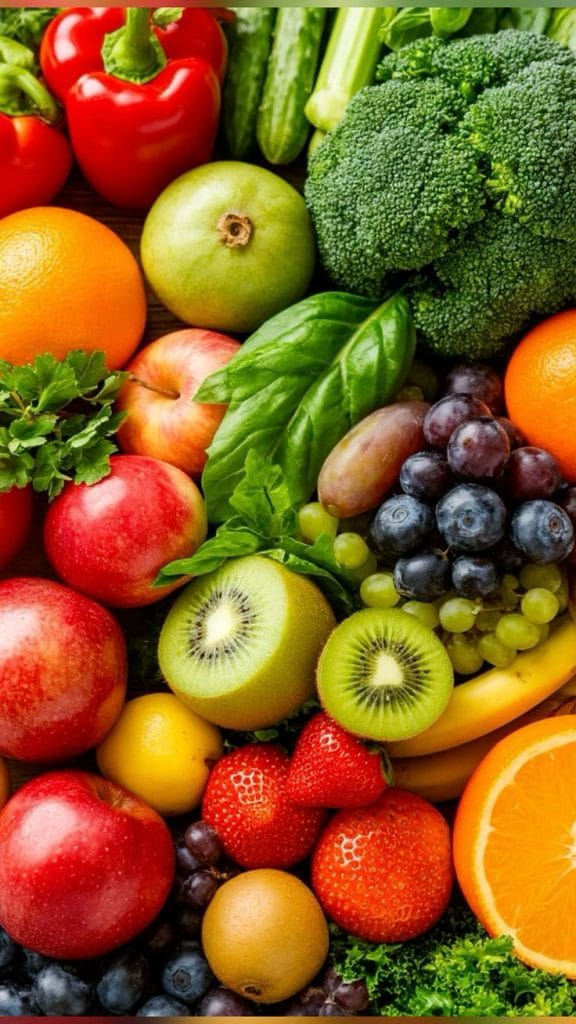
Practical tips for maximizing refrigerator use and extending food freshness
After selecting the freshest ingredients at the store, the next challenge begins at home: properly storing fruits, vegetables, meats and dairy to keep them safe and fresh as long as possible.
There are many preservation methods — freezing, canning, pickling — but refrigeration remains the go-to strategy for most households. The problem, experts say, is that many people set their fridge temperature once and never think about it again.
“Cold storage is only the first step. Even inside the refrigerator, foods can grow mold or harmful bacteria like listeria, Salmonella and E. coli. Families must stay aware of how long food has been exposed, cooked or stored,” said Emily Hilliard from the U.S. Department of Health and Human Services.
As the holiday season approaches, when families buy more and expect meals to last longer, planning becomes essential. Diane Beckles of UC Davis says simple habits — buying only what you need, repurposing leftovers and organizing meals — help reduce waste and stretch budgets during economically uncertain times.
Prepare your groceries before refrigerating
Food safety begins long before items reach the fridge:
-
Choose products before their “sell by” date — it indicates store display time, not safety.
-
Refrigerate perishables within two hours.
-
Clean spills frequently, especially from thawed meat.
-
Keep the refrigerator between 35–38°F (1.7–3.3°C).
Social media offers countless hacks, but there is no single right way. Proper storage depends on humidity, temperature, available space and personal eating habits.
Fruits and vegetables
Most produce is still biologically active after harvest, so refrigeration slows spoilage and preserves nutrients.
Guidelines:
-
Use crisper drawers to control humidity and separate fruits from vegetables.
-
Keep berries dry; wash only before eating.
-
Refrigerate broccoli, carrots and green beans.
-
Store leafy greens in bags to prevent wilting.
Some produce creates ethylene gas, which speeds up ripening — tomatoes, apples, pears. Removing spoiled items protects the rest.
Counter-friendly produce: onions, garlic, citrus, apples, nectarines, squash, potatoes.
Potatoes refrigerated too long may darken when cooked due to sugar conversion.
Proteins: meat, eggs, beans
-
Raw meat must be kept cold and not left out for more than two hours (one hour in hot weather).
-
Never thaw meat on the counter — use the refrigerator.
-
Store meat on the bottom shelf to prevent contamination.
Eggs:
-
Keep them inside the fridge, not in the door.
-
Do not wash store-bought eggs.
-
Farm eggs may be kept at room temperature, but refrigeration extends freshness.
Dairy: milk, yogurt, cheese
-
Milk, yogurt and most cheeses require refrigeration.
-
Yogurt can sit on upper shelves.
-
Cheese should be kept where airflow is minimal to avoid drying.
-
Plant-based milks must be refrigerated after opening.
Bread, grains and rice
-
Bread dries out in the fridge but resists mold better in humid climates.
-
Freezing preserves bread up to six months.
-
Rice, pasta and flour store well at room temperature.
Other items
-
Leftovers and ready-made meals belong on upper shelves.
-
Dressings and condiments can go in the door.
-
Refrigerate leftovers for 3–4 days or freeze for several months.
-
Store opened wine on its side in the fridge to slow oxidation.