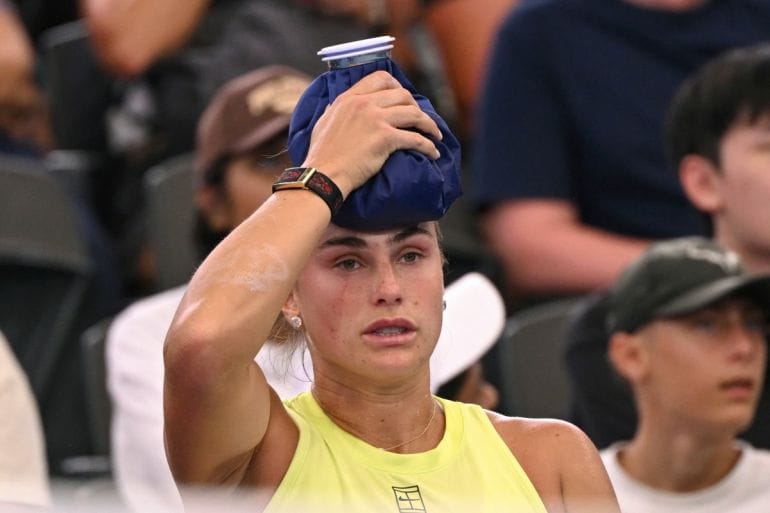
Sabalenka Critiques Insane Tennis Tournament Scheduling
Aryna Sabalenka, World Number One, Voices Discontent with Tennis Authorities
Aryna Sabalenka, the Belarusian tennis player and current world number one, has accused sports authorities of "self-serving interests" and neglecting player well-being, labeling the competitive season as "insane." Sabalenka anticipates skipping some events this year to protect her health, fully aware that this could lead to penalties from the WTA.
According to WTA regulations, top players are required to participate in all four Grand Slams, ten WTA 1000 tournaments, and six WTA 500 events. Those who miss these competitions risk losing ranking points or facing fines. Last year, Sabalenka competed in only three WTA 500 tournaments—Brisbane, Stuttgart, and Berlin—joining other top players, including Iga Swiatek, who faced point deductions for their absences.
When asked if she would change her plans for 2026, the four-time Grand Slam champion told reporters, “The season is definitely insane and not beneficial for all of us, considering the high number of injured players. The rules regarding mandatory events are quite complicated, but I will continue to skip some competitions to protect my body, as I faced significant difficulties last season.”
Sabalenka emphasized that despite her consistent results, she often played while severely ill or extremely fatigued due to overexertion. “This season, we will try to manage better, even though penalties will be applied at the end of the year.”
This concern is common among top players, who have voiced worries about the abundance of competitions in the tennis calendar. Carlos Alcaraz, the current world number one in men's tennis, has also expressed concern regarding the volume of tennis he plays, especially as he prepares for lucrative exhibition matches, including a showdown with his great rival Jannik Sinner in South Korea, just a week before the Australian Open.
Eleven-month seasons in both men's and women's circuits have recently come under fire, with both tours facing scrutiny during last year’s "Asian swing" when injury rates significantly increased.