Tether Plays Dual Role in Venezuela and Iran
The Duality of Stablecoins in Venezuela and Iran
The tense economic situations in Venezuela and Iran have brought the duality of stablecoins, such as Tether, into sharp focus. These digital currencies act as both a lifeline for citizens and a tool for sanctioned entities attempting to evade international restrictions.
Recently, both countries have been in the news, grappling with political uncertainties and civil unrest. Confronted with severe sanctions, rampant inflation, political instability, and a cost-of-living crisis, cryptocurrencies and stablecoins have become essential elements in their economic ecosystems.
The Crisis in Iran
In Iran, protests have erupted over the past two weeks amid worsening economic conditions and a dramatic decline in the value of the Iranian rial against the US dollar. This situation escalated from local demonstrations to widespread protests, resulting in thousands of arrests and hundreds of reported deaths. In this context, the Iranian government has restricted access to the internet, further complicating the situation for citizens.
The Tron-based Tether (USDT) is the most utilized asset in the country, providing citizens with an option to protect themselves against inflation and systemic risks. However, broader adoption suffered in 2025 due to a cyber attack on the largest exchange in the country and a series of blacklists concerning Tether.
Venezuela and the Use of USDT
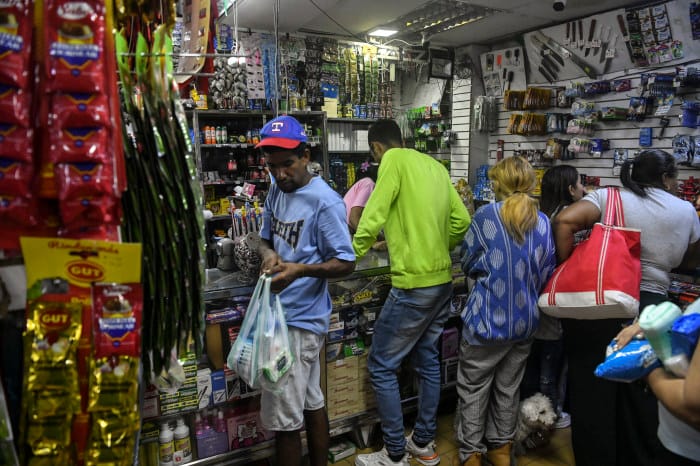
Venezuelans have also adopted USDT to shield themselves from economic uncertainty, given that the Venezuelan bolívar has been consistently losing value. There is severe distrust in banks, and USDT has become so well-adopted that people use it for various daily service payments. “It’s how you pay your landscaper or for a haircut. You can use Tether for practically anything,” said Mauricio Di Bartolomeo, a crypto entrepreneur from Venezuela.
Furthermore, USDT is widely used by the national oil company, Petroleos de Venezuela, which has begun to require payments directly in stablecoin to circumvent sanctions imposed since 2020.
Tether's Measures Against Tax Evasion
Tether has collaborated with the U.S. government to block dozens of wallets associated with domestic oil trading. Between 2023 and the end of 2025, Tether blacklisted funds worth approximately $3.3 billion, and an additional $182 million in USDT was frozen on Sunday. Although unconfirmed, these actions may be linked to activities in Venezuela or Iran.