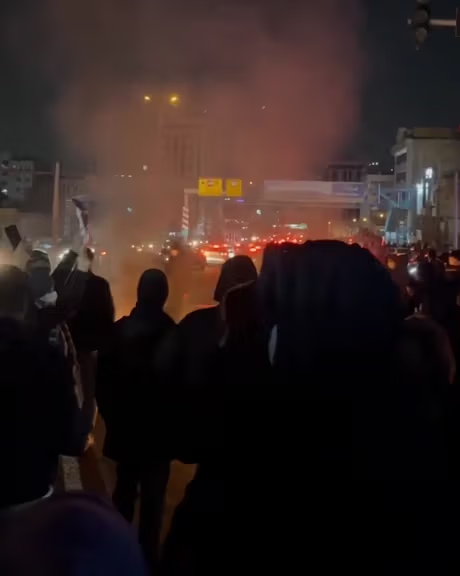
Eyewitnesses Describe Deadly Repression Amid Iran Protests
Brutal Repression of Protesters
"I saw with my own eyes – they shot directly into the ranks of the protesters, and people fell where they stood," said Omid, a protester from a small town in southern Iran. Despite fears of retaliation, he detailed how security forces opened fire on unarmed protesters with Kalashnikov rifles. "We are fighting against a brutal regime with bare hands," he added.
The protests in Iran have intensified, with authorities restricting internet access, complicating reporting from within the country. Coverage of these events by international media, such as BBC Persian, has also been prohibited from reporting in Iran. On November 12, one of the largest anti-government protests took place, with many responding to calls from the exiled son of the last Shah, Reza Pahlavi.
Following that day, Iran's Supreme Leader, Ali Khamenei, stated: "The Islamic Republic will not concede." This was followed by the most violent clashes, with eyewitnesses reporting that security forces fired live ammunition. A young woman from Tehran compared Friday to "Judgment Day," stating that the people had become so discouraged that they began to protest from less visible places, such as streets and homes.
Data collected by human rights organizations indicate that at least 648 protesters have been killed, including nine minors, but local estimates suggest that this number could be much higher. Unfortunately, authorities are not providing official statistics on the death toll. However, images from hospitals show a critical situation with a high number of wounded and a lack of resources for treatment.
UN Secretary-General António Guterres expressed being "shocked by reports of violence and the excessive use of force by Iranian authorities." Additionally, UN special rapporteurs have emphasized their concern over the lethal use of force by security forces.