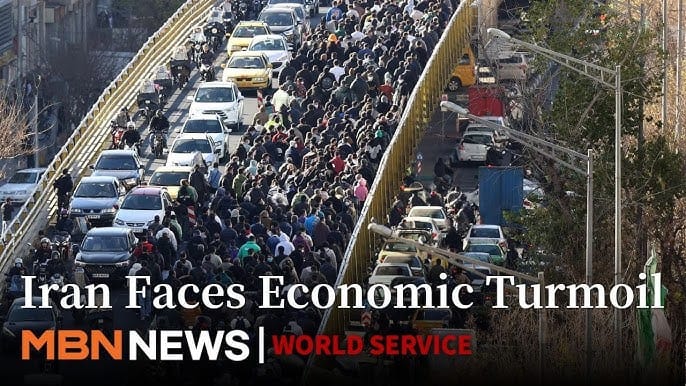
Iran Faces Massive Protests Amidst Economic Crisis
Context of the Protests
The protests in Iran related to the rising cost of living have entered their sixth day, following the national currency, the rial, hitting a historic low against the US dollar at the end of December. After several deaths caused by clashes between protesters and security forces, the government of President Masoud Pezeshkian has called for unity, blaming the so-called "enemies" of Tehran.
Impact of the Economic Crisis
Despite government promises to implement economic reforms and combat corruption, protests have persisted. So far, at least seven people have died, and 44 have been arrested, after merchants in Tehran closed their shops to protest against the country's economic crisis. Economic grievances have morphed into political demands, with protests spreading across the nation.
Battle Against Inflation
Iran is one of the most sanctioned countries in the world, and international restrictions have limited access to international financial markets. This situation has led to an increasing dependence on imports, exacerbating inflation. The Iranian rial has plummeted to 1.42 million against the US dollar, a loss of 56% in value in just six months.
Widespread Protests
Protests began in the Grand Bazaar of Tehran and have spread to 17 out of 31 provinces in Iran. Thousands have mobilized, and security forces have reacted violently in some areas, leading to incidents resulting in fatalities.
Government Reactions
Although the government has a history of harsh responses to public discontent, it has not yet carried out massive reprisals, seemingly willing to listen to the "legitimate" demands of the protesters. A new appointment to the leadership of the central bank has been made to restore economic stability, and on January 2, the Ministry of Higher Education dismissed security managers at the University of Tehran.
Historical Context of the Protests and Future Implications
Large-scale protests have occurred in the past, particularly following the death of Mahsa Amini, which led to a wave of violent discontent. The current protests could escalate, especially given international commentary, including from the United States, which has warned of possible intervention if the Iranian government continues to use violence against protesters.