Israel's Ban on NGOs Escalates Humanitarian Crisis in Gaza
Israel's Ban Deepens Humanitarian Crisis in Gaza
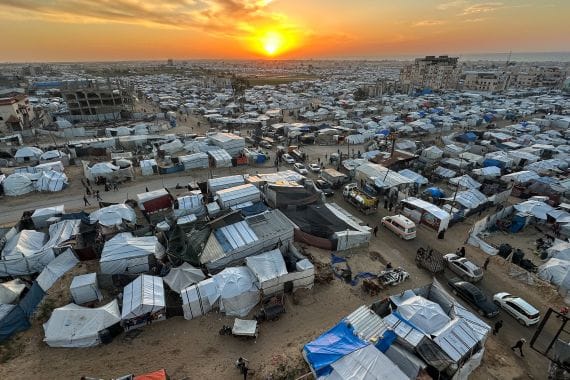
Palestinians in Gaza are highlighting the devastating consequences of Israel's ban on dozens of international organizations that provide vital aid and services in this conflict-affected region. Siraj al-Masri, a Palestinian from Khan Younis, emphasized on Wednesday that there is "no alternative" to the organizations that assist the besieged residents of Gaza.
"Where are we supposed to go? We have no income, we have no money," al-Masri told Al Jazeera. "Only a few medical points remain. This makes the situation extremely difficult and will lead to a catastrophe for the injured and for those seeking treatment."
Israel intends to revoke the licenses of 37 international NGOs, including Doctors Without Borders, amid unfounded allegations of links to Hamas. The ban, set to take effect on Thursday, also impacts the Norwegian Refugee Council, CARE International, and the International Rescue Committee.
“Even with the presence of humanitarian organizations, the situation is already tragic,” admitted Ramzi Abu al-Neel, a resident of Gaza. “If their support is eliminated, God knows what will happen. Many children will die, and the lives of many families will be destroyed by this decision.”
On Tuesday, foreign ministers from ten countries — including Canada, France, Japan, and the United Kingdom — issued a joint statement urging Israel to ensure that international NGOs "can operate in Gaza in a sustainable and predictable manner."
“Any attempt to limit their ability to operate is unacceptable. Without them, it will be impossible to meet all urgent needs on a necessary scale,” the statement read. Despite the ceasefire, Israel has continued to carry out violent actions against Palestinians in Gaza and to impose restrictions on the entry of aid and essential goods.
The United Nations Relief and Works Agency for Palestine Refugees (UNRWA) also condemned Israel's decision, stating that it "further compromises humanitarian operations" in Gaza. UNRWA Director Philippe Lazzarini remarked that the Israeli decision sets a "dangerous precedent."
In 2025, Israel approved measures restricting UNRWA's activities, critical for aid in Gaza. Lazzarini noted that the latest decision against NGOs is part of a "worrying pattern of neglect of international humanitarian law" and increasing obstacles to delivering aid operations.