Witnesses Describe Brutal Killings and Torture as Russian Mercenaries Accused of Terrorizing Civilians in Mali
A series of harrowing testimonies collected by the BBC reveal a disturbing pattern of killings, torture, and intimidation committed by Russian mercenaries operating in Mali. Survivors who fled the violence say the contractors—first from the Wagner Group and now from its successor, Africa Corps—used extreme brutality in what was meant to be a counter-insurgency campaign against jihadist groups.
The military junta that seized power in Mali in 2021 expelled French troops and embraced Moscow’s paramilitary support. Though Wagner officially withdrew earlier this year, experts believe most of its fighters now serve under Africa Corps, controlled by Russia’s Ministry of Defense. The shift in branding has done little to change the methods used on the ground.
“They drowned me three times. Then they beheaded the men in front of me.”
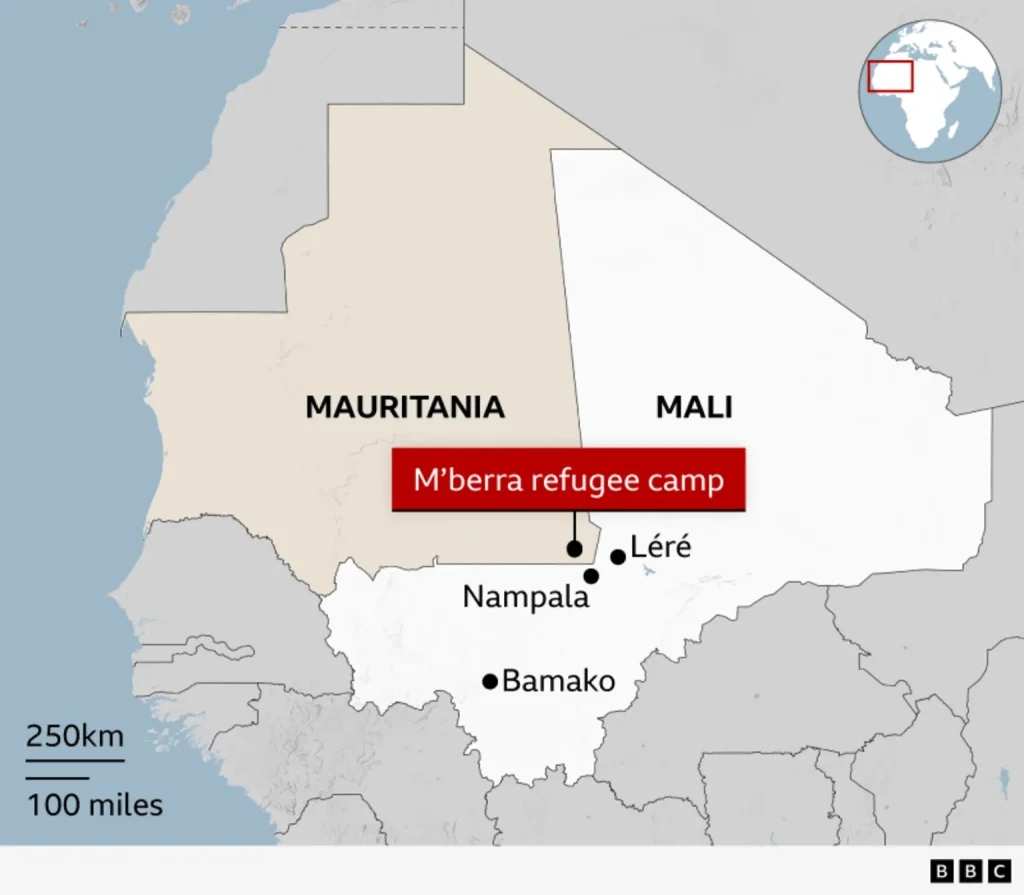
Ahmed (not his real name), a shopkeeper from the central town of Nampala, is one of many Malians who escaped to Mauritania to seek safety. Speaking to the BBC from the M’berra refugee camp, he described how Wagner operatives detained and tortured him in August 2024.
The fighters had arrived at his store—where they were once regular customers—and demanded to know the whereabouts of his employer, whom they accused of collaborating with jihadists. When Ahmed said he did not know, the mercenaries tied his hands and pushed him into a vehicle.
“One of them took a knife and pressed it against my finger. He asked, ‘Where is the shop owner?’ I told them he was in Bamako. They said, ‘Wrong answer.’”
Ahmed was taken to a heavily fortified Malian military base where three Russian fighters subjected him to repeated water torture.
“They dipped my head in a tank of water until I nearly suffocated. When I fell over, they stood on my chest so I could breathe only in gasps. Then they did it again. And again.”
Unable to extract new information from him, the mercenaries placed him in a small toilet block with other detainees, including Hussein, whom Ahmed barely recognized after severe beatings. Later that night another acquaintance, Umar, was dragged in—also injured and terrified.
The next morning, Ahmed was returned to the hangar. This time, the mercenaries brought in two other prisoners—a Tuareg herder and an Arab nomad—whose only apparent “crime” was being caught in the wrong place at the wrong time. Both were tortured and, in Ahmed’s presence, beheaded.
“They pulled one of the bodies close to me so I could smell the fresh blood,” Ahmed said. “They warned that if I didn’t tell them the ‘truth,’ I would die the same way.”
According to his account, his life was spared only after a Malian officer confirmed that his employer was not collaborating with jihadist groups. After nearly two weeks of detention, threats, and beatings, he was released. He fled immediately with his wife and children.
Evidence of systematic brutality
Ahmed’s testimony is echoed by several others interviewed by the BBC. Women described husbands being shot repeatedly and thrown into rivers. Shepherds said they were beaten for no reason while tending livestock. Many describe being held in military camps where torture was routine.
These accounts align with findings from the European Council on Foreign Relations, which reported that Wagner fighters shared photos and videos on a private Telegram channel showing murder, rape, torture, cannibalism, and mutilation of corpses. The Africa Report also stated that an infiltrated Wagner-linked channel contained hundreds of images of severed heads and gouged eyes.
Wagner fades, Africa Corps rises—but abuses persist
Although Wagner declared its mission “complete” in Mali and withdrew, most analysts agree this was little more than a reshuffling of forces. The Timbuktu Institute estimates that up to 80% of Africa Corps fighters previously served under Wagner.
“In reality, Africa Corps inherits Wagner’s record of extrajudicial killings and torture,” the Institute said in a July report.
However, the violence-monitoring group ACLED believes that Africa Corps has shown “slightly less predatory behaviour” compared to Wagner, though abuses remain widespread.
A nation trapped between insurgents, mercenaries, and chaos
As jihadist groups continue to terrorize the north, civilians now find themselves targeted by the very forces claiming to protect them. Nearly 50,000 Malians have fled to Mauritania alone, with many recounting horrific experiences.
Bintu, a mother of five who lost her husband to Wagner fighters, said: “When I hear the name Wagner, I feel afraid. I hate that word because it brought sadness to me.”
Youssouf, another refugee, recalled being beaten with boots, fists, and metal rods until he fainted. When he awoke, one of his friends was already dead.
For survivors like Ahmed, the trauma remains fresh.
“The experience haunts me. It gives me nightmares,” he said. “I don’t know if I’ll ever return to my normal life.”