World Must Prioritize Children as Humanitarian Crisis Worsens in 2026
Global Humanitarian Crisis Impacts Children
As we step into 2026, one undeniable truth stands out: children around the world are facing unprecedented needs in modern history, even as the humanitarian system designed to protect them grapples with immense challenges.
The events of 2025 marked a dramatic rupture in humanitarian and development efforts. When the United States abruptly suspended foreign aid in January, billions of dollars vanished overnight. Essential programs were halted, offices closed, and millions lost access to food, medical services, education, and protection.
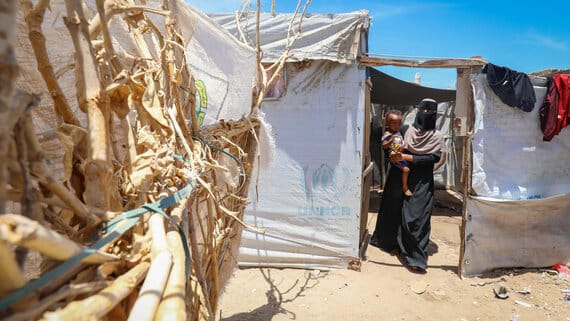
These aid cuts came at a time when children were already confronting significant challenges, from conflict and displacement to climate change, with decades of progress at risk of being undone. In 2025, approximately 50 million children worldwide were displaced, and nearly half of the children’s population—around 1.12 billion—could not afford a balanced diet.
These statistics reflect a global failure. Each number represents a child whose childhood is cut short, marked by fear, hunger, and lost potential. The crisis has highlighted the fragility of the global aid system, which, in the face of abrupt political changes, can directly affect the lives of children.
However, amid this turmoil, extraordinary things have occurred. Families, teachers, and local organizations have found ways to continue the learning process, offer care, and create spaces where children can play, heal, and feel safe. These efforts underscore a simple truth: responses are most effective when anchored in local communities.
Innovation can help, but it will not save children on its own. When digital tools, data, and community-driven design are used responsibly, they can enhance access and accountability. The challenge is not technological but political and ethical. Children never stop dreaming or learning, even in the most challenging conditions.
The year 2026 must become a turning point where choices shift to build systems that can withstand political shocks, are grounded in local leadership, and are accountable to the children they serve. The challenge now is to reframe our systems so that, regardless of how the world changes, we can always prioritize children, everywhere, all the time.