“US Lawmakers Demand Answers Over Alleged Second Strike on Venezuelan Boat Survivors”
The controversy surrounding US military strikes on suspected Venezuelan drug-smuggling boats in international waters has intensified, with senior lawmakers demanding urgent clarification. The uproar follows a Washington Post report alleging that US forces carried out a second strike to kill survivors of an initial missile attack — an action that could constitute a war crime under international law if proven true.
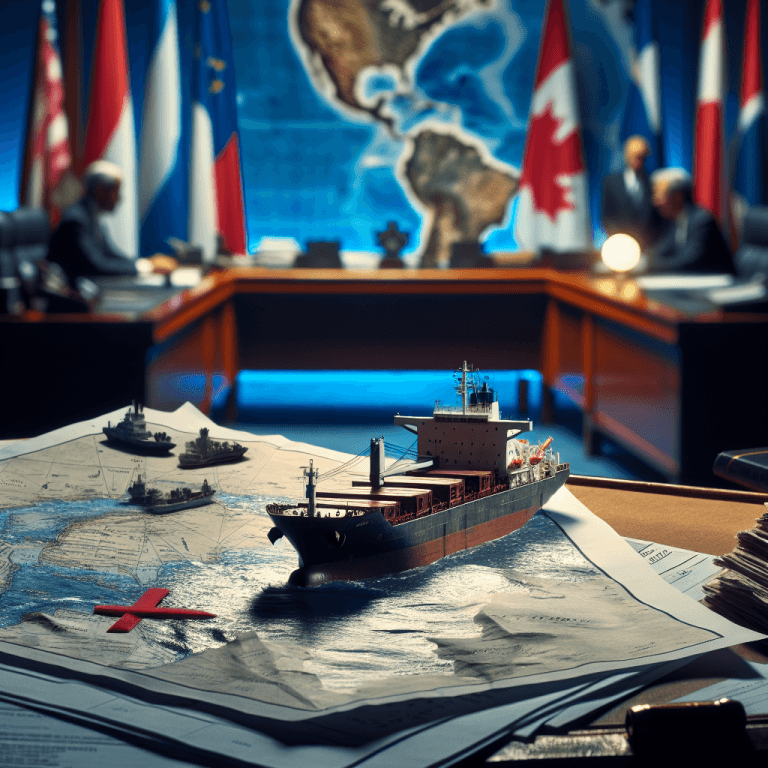
According to the report, the 2 September operation targeted a vessel allegedly transporting narcotics toward the United States. While the initial strike disabled the boat, two individuals reportedly survived. The newspaper claims that a second attack was ordered to comply with a verbal directive from Defense Secretary Pete Hegseth — a directive summarized as: “Kill everybody on board.”
Hegseth forcefully rejected the report, describing it as fabricated and politically motivated. Nevertheless, bipartisan concern has emerged. Democratic Senator Tim Kaine stated that if the order was indeed given, “it rises to the level of a war crime.” Republican Representative Mike Turner echoed that sentiment, acknowledging that such an action would be “highly illegal.”
Both chambers of Congress have taken action. The Senate Armed Services Committee and the House Armed Services Committee announced parallel oversight investigations designed to determine the facts behind the operation.
In recent months, the Trump administration has escalated its military presence across the Caribbean and eastern Pacific. Since early September, at least 80 individuals have been killed in boat strikes. Officials argue these operations are part of an expanded anti-narcotics campaign intended to disrupt transnational criminal organizations.
The administration’s legal rationale — that the United States is engaged in a “non-international armed conflict” with drug traffickers — has drawn sharp criticism from experts. Under the Geneva Conventions, combatants who are wounded or incapacitated must not be targeted and must instead receive care. Additionally, the United Nations Convention on the Law of the Sea prohibits attacks on civilian vessels in international waters except under narrowly defined circumstances.
International law specialist Professor Luke Moffett told BBC Verify: “Force can be used to stop a boat, but lethal force is generally limited to situations of imminent threat. A follow-up strike on wounded survivors would violate international humanitarian law.”
The Venezuelan government has condemned the strikes, accusing Washington of attempting to destabilize the region as part of a broader geopolitical strategy. The country’s National Assembly pledged to conduct its own investigation, calling the alleged second strike “an act of state terrorism.”
President Trump defended Hegseth, telling reporters aboard Air Force One: “He said he didn’t order it, and I believe him 100%.” The president added that he would not have wanted a second strike and suggested his administration would “look into” the matter.
The political implications are far-reaching. The United States is not a signatory to the UN Convention on the Law of the Sea, but historically has operated in accordance with many of its provisions. If the allegations prove true, they could raise questions about the administration’s handling of the law of armed conflict and the use of force in maritime operations.
As pressure mounts, members of Congress insist on transparency. “This is serious,” Senator Kaine said. “We need answers, and we need them fast.”
What remains unclear is whether the incident was an isolated misjudgment, a miscommunication, or part of a broader, controversial doctrine guiding US counter-narcotics operations at sea. Washington now faces not only legal scrutiny, but also a diplomatic test as regional governments denounce the strikes as excessive and dangerous.