Lebanon Approves ‘Gap’ Law to Address Financial Crisis
What is the ‘Gap’ Law in Lebanon?
After six years marked by one of the most severe financial crises globally, the Lebanese cabinet has approved a bill that could enable account holders to recover their funds. In 2019, the Lebanese pound began to depreciate rapidly, and banks closed their doors, preventing depositors from accessing their savings.
Benefits of the Law
The law stipulates that depositors who have deposited up to $100,000 will be compensated within four years, a significant improvement compared to previous proposals that outlined repayment over more than a decade. However, analysts noted that under former Prime Minister Hassan Diab’s government in 2020, depositors might have been entitled to receive up to $500,000.
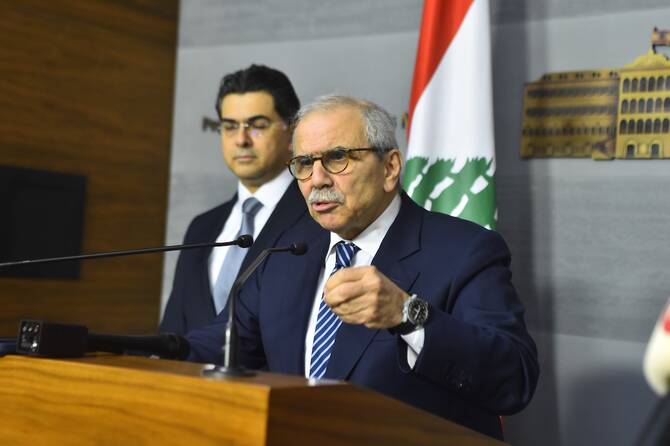
According to Prime Minister Nawaf Salam, a comprehensive financial audit will be conducted to review all banking operations, including dividends and bonuses awarded to executives.
Challenges of the Law
One main issue is that the $100,000 cap applies to each depositor individually, not per account. Depositors with two accounts exceeding this amount will receive only $100,000. Any additional funds will be paid through bonds guaranteed by the Central Bank.
Beneficiaries and Those Penalized
As per the current version of the law, banks are only responsible for 40% of withdrawals, despite their role in the financial crisis. Critics argue that banks continue to make profits and pay bonuses while depositors remain unable to access necessary funds for daily expenses.
Costs to the State
The state will need to cover the deficit between what Lebanese banks must pay and what the financial system can afford, with estimates indicating a $70 billion shortfall. Bankers contend that the state is liable, arguing that they entrusted their money to the Central Bank, which subsequently transferred it to the state, leading to its loss.
Position of the IMF
The International Monetary Fund (IMF) typically advocates for austerity measures; however, this time it aligns its position with civil society, emphasizing that depositors should not be required to pay before bankers.