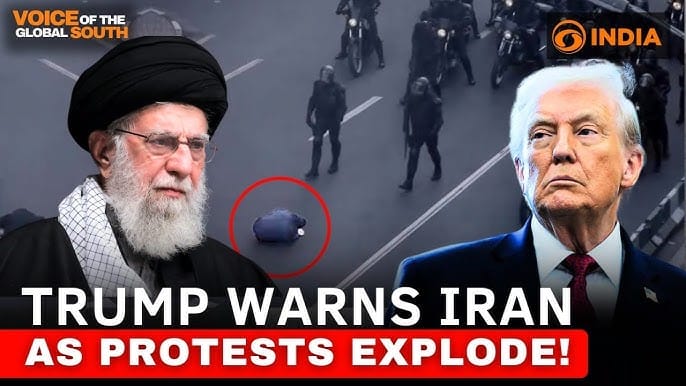
Protests Erupt Across Iran Amid Economic Crisis
Protests in Iran Due to Economic Crisis
The protests in Iran began on a cold day in December when several merchants at the Grand Bazaar in Tehran, located on Jomhouri Boulevard, closed their shops in protest. They were fed up with watching the national currency, the rial, continue to devalue. Over the course of a year, it had lost nearly half of its value, and merchants were suffering increasingly greater financial losses on a daily basis.
The protests in the capital quickly spread across the country, primarily driven by rising economic pressures and high consumer prices. These commercial hubs, seen as barometers of public sentiment, became hotspots for discontent regarding rampant inflation, stagnant wages, and the rising cost of living. From there, demonstrations expanded to cities in western Iran, such as Azna, Malekshahi, and Kermanshah.
These protests intensified into violent clashes with security forces, resulting in deaths, injuries, and numerous arrests. For years, Iran has faced waves of social unrest, but this time, the reasons for the protests are primarily economic, not sociopolitical. A lack of money, unpaid bills, and the loss of dignity brought about by poverty have driven many to take to the streets.
In response, the state's reaction has differed from past episodes of unrest, with President Masoud Pezeshkian, leading a reformist administration, quickly acknowledging the public's right to protest. He emphasized the importance of dialogue with demonstrators and announced political initiatives to address the causes of public discontent.
These include developing a new subsidy framework and a comprehensive plan to improve living standards. Additionally, the appointment of a new governor for the Central Bank of Iran is viewed as a step toward stabilizing the currency and restoring public confidence in economic management.
Despite the protests, the economic situation remains precarious, with inflation eroding purchasing power and financial volatility complicating daily planning. Without tangible improvements, discontent could lead to new waves of protests.