Mass Extinction of the Ordovician Revolutionizes Ocean Life
Transformations Triggered by the Ordovician Mass Extinction
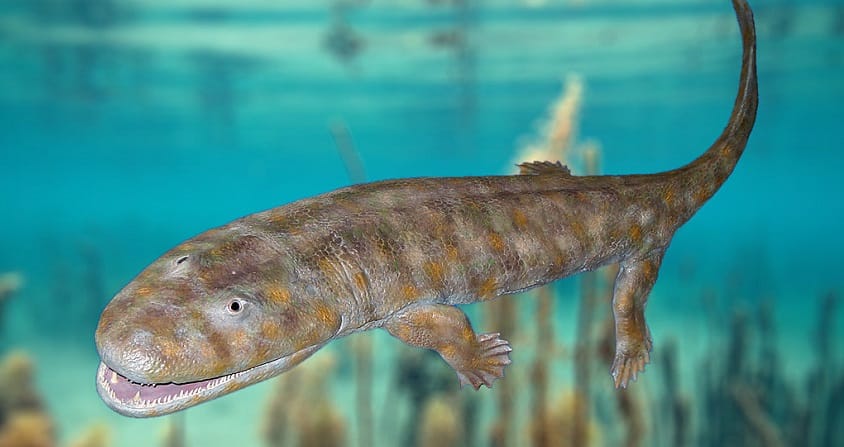
A massive extinction event during the late Ordovician, approximately 445 million years ago, resulted in the disappearance of about 85% of marine species. This ecological catastrophe occurred following a rapid climate change that transformed the structure of ecosystems on Earth. Recent studies suggest that this event favored the evolution of jawed vertebrates, which survived in isolated marine refuges, thus gaining a decisive advantage in their diversification.
Impact of Climate Change on Marine Life
The long geological period of the Ordovician was characterized by a warm climate and rich marine ecosystems. However, a sudden change in global climate led to the expansion of glaciers, destroying essential habitats for marine life. In addition to the drastic destruction of biodiversity, this event created favorable conditions for the evolutionary marvel of jawed vertebrates.
Findings from OIST's Study
A team of researchers from the Okinawa Institute of Science and Technology (OIST) conducted a study showing how the mass extinction acted as a catalyst for the diversification of jawed vertebrates. These animals began to evolve and occupy ecological roles left vacant by the disappearance of jawless species.
Restoration of Ecosystems
Following these catastrophic events, the research team observed a recurring pattern of "resetting diversity," where ecosystems rebuilt their structures with the help of new species. The study highlights how jawed vertebrates successfully filled ecological niches and rapidly adapted to the new environmental conditions.