Power Restoration in Berlin Highlights Germany's Vulnerability to Sabotage
Power Restoration in Berlin
Power is being gradually restored to the last homes affected by a five-day blackout in Germany's capital, Berlin, which is blanketed in snow. The incident was caused by a suspected arson attack and occurred amid sub-zero temperatures. Reports indicate that this is the longest blackout in the post-war history of the capital. A militant far-left group has claimed responsibility for the attack.
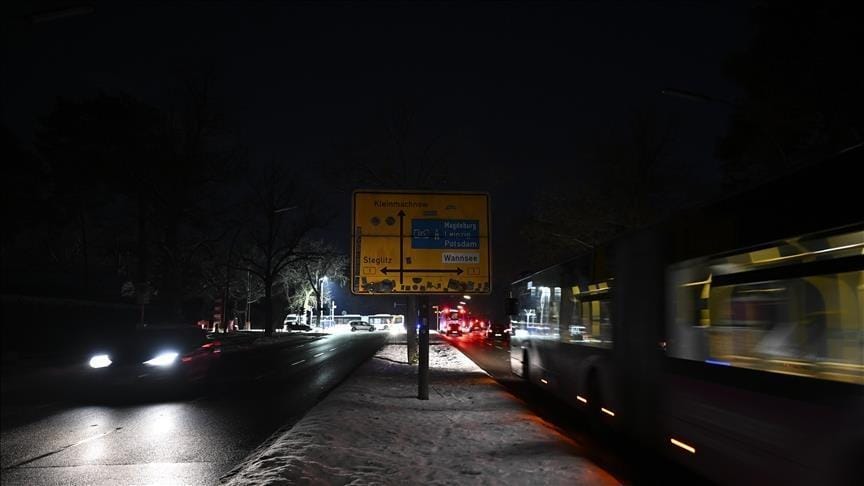
Images from the week showing residents of all ages coping with the prolonged outage have reignited a debate over Germany's vulnerability to sabotage attacks, whether from domestic or external actors. Schools, hospitals, and care centers were among the thousands of properties affected. In the Steglitz-Zehlendorf district of Berlin, a police van announced the imminent return of power via megaphone, while residents regularly approached emergency workers for the latest updates.
Lena, a resident, stated that her family felt "lost," relying on a battery-operated radio for news while cooking on a portable stove. Reinhold, a 79-year-old retired architect, mentioned that he had to sleep with a hat to keep warm, emphasizing the hardships he faced throughout his life. "I was born in 1947 when it was -20 degrees in our room," he recounted.
Power restoration is taking place "step by step," according to fire service spokesperson Adrian Wentzel. Resources have been mobilized from across Germany, with approximately 100,000 individuals affected. Hospitals have had to rely on emergency generators, and some schools were forced to close.
The attack was claimed by the extremist left-wing group Vulkangruppe, which expressed apologies to the less wealthy residents in southwest Berlin, stating that their sympathy is limited in the context of villa owners in those districts.
German authorities are investigating the incident as a potential act of terrorism, with possible charges including "membership in a terrorist organization, sabotage, arson, and disruption of public services." This outage was larger and lasted longer than a similar incident that occurred in September.