Why 250 Million Christians Celebrate Christmas on January 7
Christmas on January 7: A Celebration Rich in Traditions
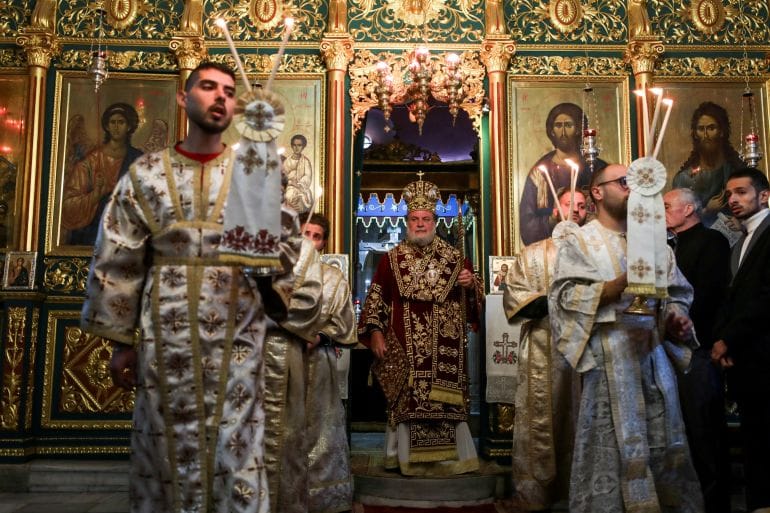
Millions of Christians, including those from Eastern Europe and the Arab world, such as Palestine and Egypt, celebrate Christmas today. This day marks the birth of Jesus Christ, who was born in Bethlehem. However, for these communities, totaling approximately 250 million people, the most significant day of the season is not December 25, but January 7. This difference in the celebration of Christmas is due to the use of a different calendar.
The reason some Christian churches celebrate Christmas on January 7 is not due to a belief that Jesus was born on a different day, but rather the adoption of a different calendar. This goes back to 1582 when Pope Gregory XIII decided that the Catholic Church would adopt a new calendar, known as the Gregorian calendar, to replace the less accurate Julian calendar.
Today, the Julian calendar is 13 days behind the Gregorian calendar, meaning that December 25 in the Julian calendar actually falls on January 7 in the modern calendar.
Notable groups that celebrate Christmas on January 7 include the Russian Orthodox Church, Serbian and Georgian Orthodox Churches, the Coptic Orthodox Church in Egypt, and the Ethiopian and Eritrean Tewahedo Orthodox Churches. In Ukraine, Christmas has historically been observed on January 7; however, in 2023, the government officially shifted the public holiday to December 25, although many citizens continue to observe the date in January.
While most countries have adopted the Gregorian calendar, many Orthodox churches have retained the Julian calendar to preserve traditions. This is a perfect example of how culture and religion can influence the holidays and customs of a people.