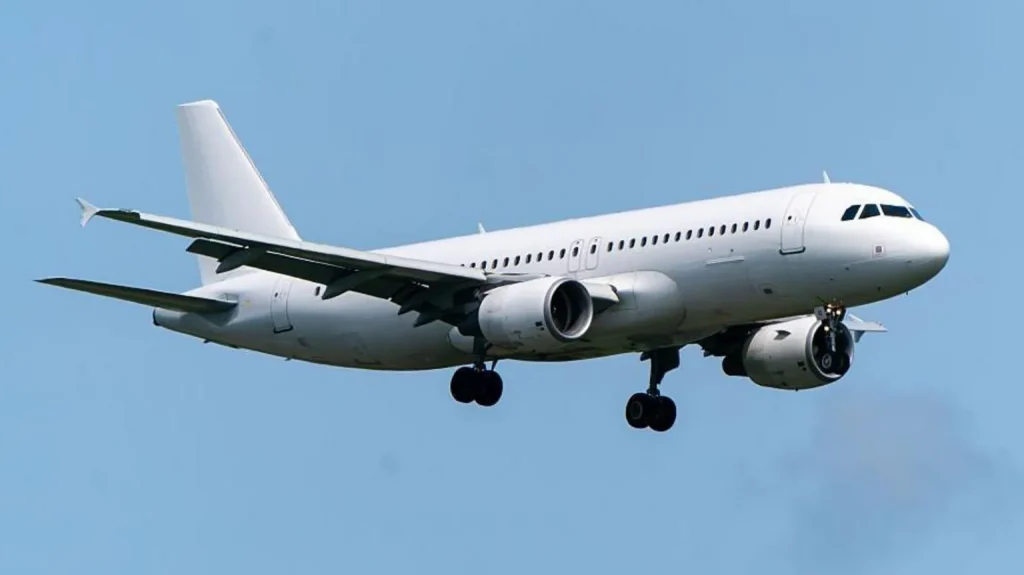
Global Air Travel Stabilizes After Thousands of Airbus Jets Grounded Over Solar Radiation Warning
Thousands of Airbus planes across the world have gradually returned to normal operations after an unprecedented technical alert forced airlines to ground aircraft for urgent software updates. The issue, linked to solar radiation interfering with onboard flight control computers, affected roughly 6,000 jets from the Airbus A320 family—the most widely used commercial aircraft in history.
The Incident That Triggered the Global Alert
The crisis began with an incident in October involving a JetBlue Airways aircraft flying between the US and Mexico. Mid-flight, the aircraft suddenly lost altitude and was forced to make an emergency landing. At least 15 people were injured.
Following an internal investigation, Airbus identified a vulnerability in the computing software responsible for calculating altitude. Under rare conditions, intense bursts of solar radiation—emitted periodically by the Sun—could corrupt sensor data at high altitudes, causing incorrect altitude readings.
This discovery prompted Airbus to issue a global warning on Friday, advising airlines to apply emergency updates.
Scale of the Grounding: 6,000 Aircraft Worldwide
Airbus confirmed that:
-
around 5,100 aircraft could be fixed with a quick software patch, often applied overnight;
-
about 900 older aircraft require a full replacement of a specific onboard computer, meaning they must remain grounded until hardware arrives.
This generated significant but uneven global disruption, depending on each airline’s fleet age.
Airbus Issues Apology, Governments Respond
Airbus CEO Guillaume Faury publicly apologized for the disruption, acknowledging “logistical challenges and delays” but assured airlines that teams were “working around the clock.”
France’s Transport Minister Philippe Tabarot said Saturday that “fewer than 100 aircraft” still needed updates, praising the efficiency of the intervention.
Impact on Airlines Across the Globe
In France:
Air France faced delays and cancellations at Paris Charles de Gaulle, one of Europe’s busiest hubs.
In the US:
-
American Airlines reported 340 affected planes but expected only moderate delays.
-
Delta Air Lines forecast minimal operational impact.
In the UK:
Disruption remained limited:
-
Gatwick saw minor delays
-
Heathrow had no cancellations
-
Manchester and Luton reported no significant issues
Low-cost carriers fared well:
-
EasyJet announced it had updated a “significant number” of aircraft and resumed normal operations.
-
Wizz Air also said its fleet was operating normally after overnight updates.
In Australia and New Zealand:
Australia’s Jetstar cancelled 90 flights and warned that disruptions would continue through the weekend.
Air New Zealand grounded all its A320s temporarily but confirmed that flights resumed after updates.
The Technical Problem Explained
The vulnerability lies in the computing system that reads air pressure and converts it into altitude data. Under extreme solar radiation—which can spike during geomagnetic events—electronic signals can become corrupted, leading to incorrect altitude readings.
This can cause aircraft to deviate unexpectedly unless pilots intervene manually.
For most aircraft, Airbus issued a software fix that filters corrupted data.
Older aircraft, however, require full computer replacement to eliminate the risk.
How Long Until All Aircraft Are Fixed?
The timeline depends on:
-
manufacturing capacity for replacement units
-
demand from airlines
-
prioritization of heavily affected fleets
Industry analysts estimate that replacing computers on 900 aircraft could take several weeks to two months.
Broader Implications for Aviation Safety
The disruption underscores several key points:
-
Modern aircraft rely heavily on sophisticated electronics vulnerable to space weather events.
-
Global aviation is highly interconnected—a single technical alert can cause worldwide turbulence.
-
Rapid communication and swift coordination between regulators, manufacturers, and airlines prevented more serious consequences.
Thankfully, no additional incidents were reported, and the emergency updates appear to have stabilized the situation.