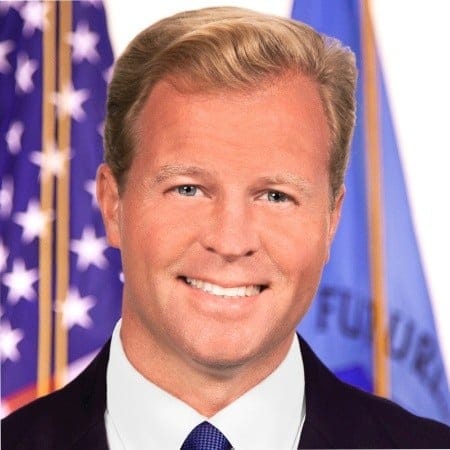
Brian Quintenz Joins SUI Group Board After CFTC Nomination Withdrawal
Brian Quintenz Contributes to SUI Group's Strategy
Brian Quintenz, former commissioner of the Commodity Futures Trading Commission (CFTC) and Donald Trump's initial choice to lead the agency, has joined the board of directors at SUI Group. In a notice issued on Tuesday, SUI Group announced that Quintenz's appointment to its board would strengthen its "leadership in regulation and policy," particularly regarding the company's treasury strategy focusing on digital assets.
The company reported holdings of 107,743,979 Sui (SUI), valued at approximately $200 million at the time of publication, by the third quarter of 2025. Quintenz served as a CFTC commissioner under the Trump administration from 2017 to 2021 and later became the global head of policy for a16z crypto. Additionally, he joined the board of the prediction market platform Kalshi in 2021 and worked as a consultant for the cryptocurrency exchange Crypto.com from 2021 to 2022.
This transition of the former commissioner closer to the cryptocurrency industry exemplifies the trend of CFTC officials moving to the private sector after governmental careers. Caroline Pham, who served as acting chair of the agency under Trump in 2025, joined the payment company MoonPay after the U.S. Senate confirmed Michael Selig as CFTC chair in December.
Many lawmakers and industry leaders supported Quintenz's nomination after Trump announced him as his top choice in February. However, in September, Quintenz released text messages between him and the Winklevoss twins, co-founders of the cryptocurrency exchange Gemini, suggesting that they sought certain assurances regarding the enforcement of CFTC regulations. Selig was nominated to lead the agency a few weeks later.
Currently, the CFTC is grappling with a lack of four Senate-confirmed commissioners. Since January, Selig has been the only active member of the CFTC, which typically comprises five commissioners. Trump has not announced or suggested any forthcoming nominations, consequently creating a leadership vacuum at the U.S. financial regulator that may persist for months or even years.