Oil Prices Slump as Trump Halts Iran Attack: Economic Shockwaves Explained
Global energy markets experienced a sudden shift on Monday, with oil prices slumping significantly after US President Donald Trump announced a halt to a planned military strike on Iran. This sudden de-escalation, reportedly requested by Gulf states, has provided temporary relief to financial markets grappling with the economic fallout of Middle Eastern instability.
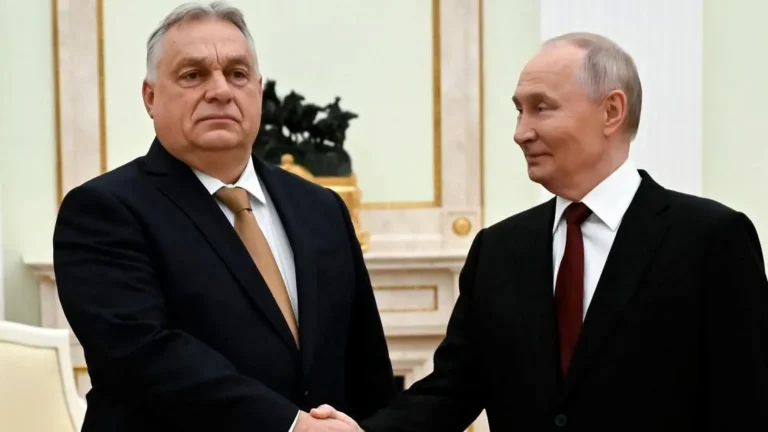
Trump's Diplomatic Pivot According to BBC.com, the global benchmark Brent crude sank from $112 (£83) to $109 a barrel immediately following Trump's comments on his Truth Social platform. The US President disclosed that leaders from Qatar, Saudi Arabia, and the United Arab Emirates (UAE) had directly requested him to hold off on the attack, originally scheduled for Tuesday, citing that "serious negotiations are now taking place."
While pausing the military action, Trump maintained a hardline stance on the conditions of any potential agreement, insisting in all capital letters: "NO NUCLEAR WEAPONS FOR IRAN!" He issued a stark caveat, warning that the US military remains fully prepared to launch "a full, large-scale assault of Iran, on a moment's notice" should negotiations collapse. As of now, the Iranian government has not issued a public response to these latest developments.
The Strait of Hormuz Crisis Energy markets have been on a highly volatile trajectory since Iran effectively shut down the Strait of Hormuz. This critical maritime chokepoint was closed in retaliation for joint US and Israeli strikes that began on February 28. With approximately 20% of the world's oil and liquefied natural gas (LNG) passing through this narrow channel, global supply chains have been severely choked.
Prices had briefly dipped following reports from an Iranian news agency suggesting that the US had agreed to a temporary waiver on Iranian crude oil sanctions during the negotiation phase, sparking optimism for a diplomatic breakthrough.
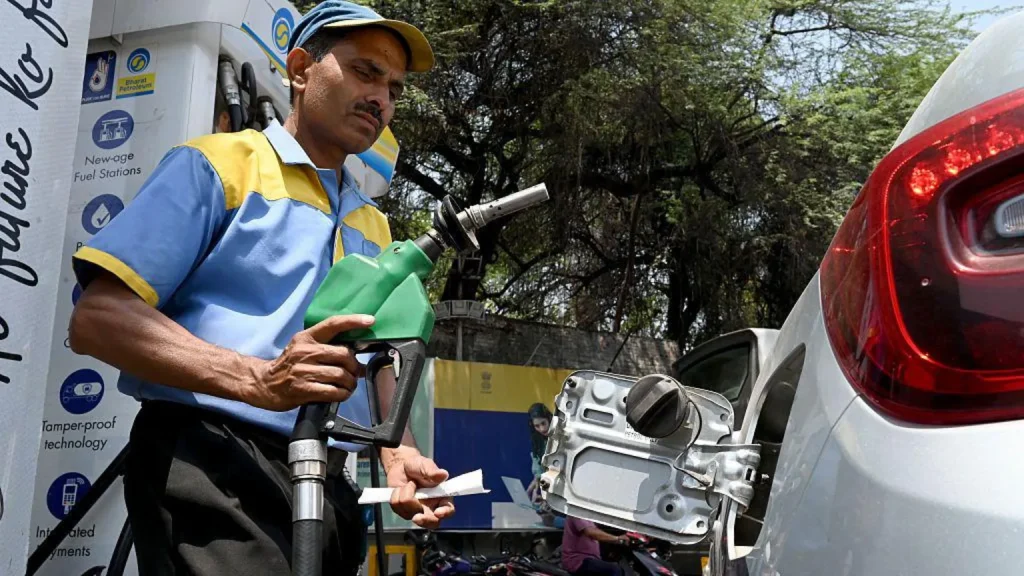
Looming "Summer of Pain" for the Global Economy The ripple effects of the Middle East conflict are heavily impacting global finance, particularly government borrowing costs. Rising bond yields reflect growing investor fears that soaring energy bills will trigger rampant inflation, inevitably forcing central banks to hike interest rates.
-
On Monday, the benchmark 10-year US Treasury yield temporarily hit 4.63%, marking its highest level in over a year.
-
Japanese bond yields also surged; the 30-year yield hit a record 4.2%, driven by reports that the government plans to issue fresh debt to cushion the economic blow of the war.
Claudio Galimberti, chief economist at Rystad Energy, provided a grim outlook to the BBC: "We are approaching a summer of pain, I am afraid, unless Hormuz is opened." This pain is already being felt in the corporate sector. European budget airline Ryanair reported a profit increase to €2.26bn (£2bn), but executives warned that while 80% of their fuel is price-fixed, the cost of the remaining 20% "has spiked due to the Middle East conflict."
Dangerous Escalation: UAE Nuclear Plant Drone Strike Despite the pause in US military action, regional hostilities remain intense. During the ongoing conflict, Iran has launched proxy attacks on neighboring states, including Israel, Bahrain, and the UAE.
On Sunday, the UAE defense ministry reported a severe security breach when three drones entered its airspace. While two were successfully intercepted, the third drone struck an electrical generator just outside the inner perimeter of the Barakah Nuclear Power Plant in Abu Dhabi, sparking a fire. Officials labeled the incident a "dangerous escalation." Fortunately, local authorities confirmed there were no injuries and no impact on radiological safety levels, but the strike highlights the precarious security situation in the region.
Source: BBC.com