Bulgaria Joins Eurozone After Complex Path
Bulgaria Embraces the Euro
Bulgaria, the poorest country in the European Union, has become the 21st member of the eurozone, surpassing more prominent and wealthier candidates such as Poland, the Czech Republic, and Hungary. This marks an optimistic and potentially profitable leap for young and entrepreneurial Bulgarians, representing the final step in a process that has brought the country into the European mainstream—from its NATO and EU accession to entering the Schengen Zone, and now the adoption of the euro.
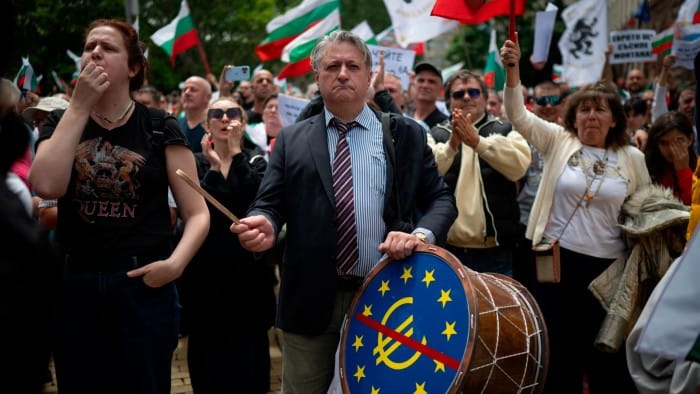
However, for the older population in rural and more conservative areas, the replacement of the Bulgarian lev with the euro brings fear and resentment. The lev, meaning "lion," has been the national currency since 1881, although it has been pegged to other European currencies since 1997. Polls indicate a near-even divide among the 6.5 million Bulgarians regarding the new currency, and ongoing political turbulence complicates the transition.
Prime Minister Rosen Zhelyazkov's coalition government lost a vote of confidence in December following massive protests against the 2026 budget. Some entrepreneurs, like Todor from Gabrovo, express discontent with the new currency, stating that "70% of people would vote against it" if a referendum were held. Conversely, others, such as Ognian from Sofia, are more enthusiastic, viewing it as a technical change that will enhance trade.
As of February 1, payments in lev will be prohibited, and some merchants are already preparing for the transition. From early January, payments in both currencies will be accepted, but change will be given in euros. Authorities have implemented measures to protect consumers from potential unjustified price increases, and public transport fares in Sofia will slightly decrease. The design of the euro coins has been adapted to reflect Bulgarian symbols, such as Saint Ivan of Rila and the Madara Rider, symbolizing the early times of the Bulgarian state.
The long-term impact of the new currency on Bulgaria remains to be seen, with comparisons being drawn to the successful model of the Baltic states or the stagnation of Italy. Ognian Enev and others fear a direction similar to that of Italy, recalling lessons learned from the experiences of other nations.