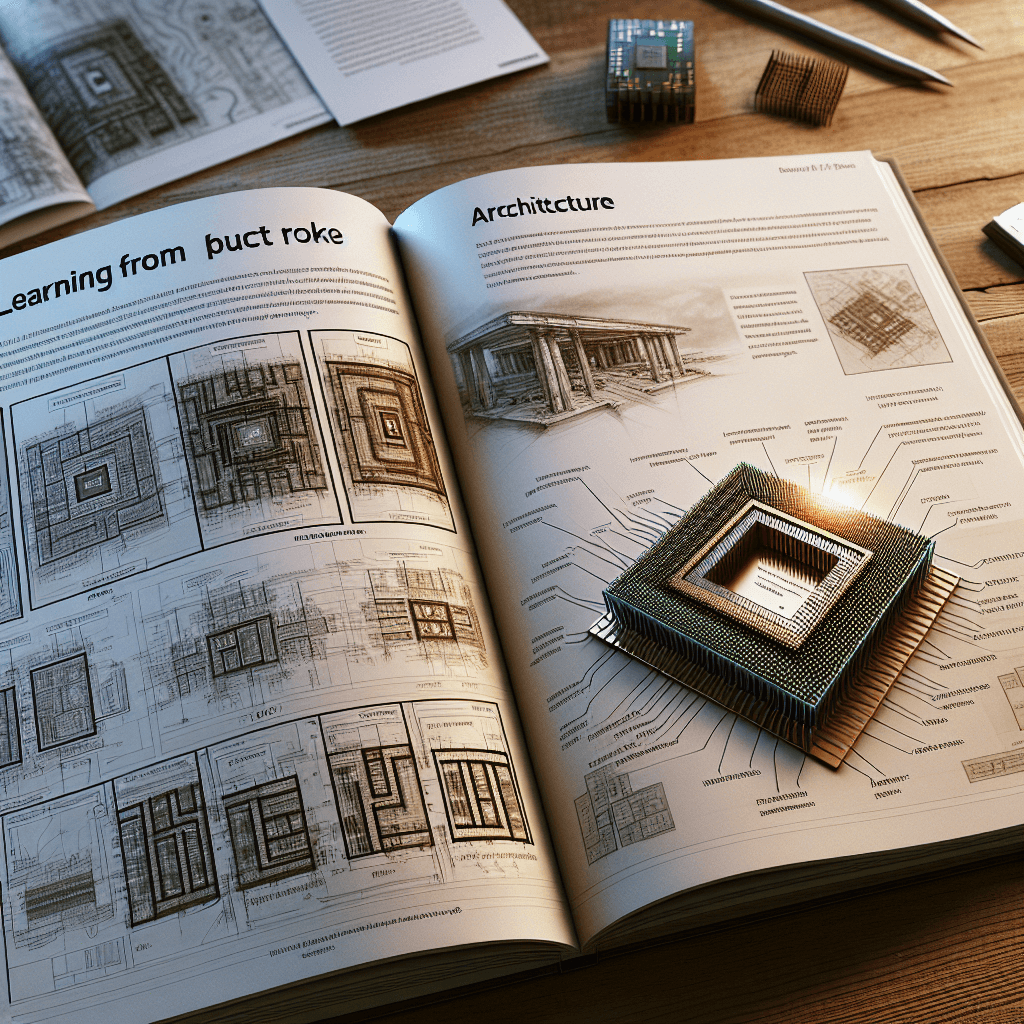
The Revolution of CPU Architecture: WheatForce and Lessons from Past Mistakes
The Genius Behind WheatForce
WheatForce represents a remarkable innovation in CPU architecture, ingeniously combining the best features of existing architectures: x86, RISC-V, ARM, and PowerPC. Conceptualized by a team of experts, this new design model seeks to learn from the successes and failures of its predecessors, highlighting the need to explore new horizons in process technology.
The Efficiency of Segmentation in Virtual Memory
One of the innovative concepts that WheatForce introduces is segmentation, inspired by the x86 model but with superior flexibility. In traditional architecture, segmentation is often underutilized. WheatForce changes this reality by implementing a segment selector for each register, thereby enhancing the utilization of address translation capabilities. This allows programmers to construct more efficient applications with minimal overhead costs.
Revising Paging: A Hash-based Approach
WheatForce improves paging by implementing a hash table system, inspired by PowerPC. This significantly reduces the number of fetches required for cache lines, ensuring improved cache locality. The innovation lies in using input addresses as keys, which are then employed to search entries in a table. This method ensures enhanced efficiency in data access, eliminating delays caused by traditional paging methods.
Dynamic Endianness Control: Enhanced Flexibility
Another revolutionary aspect of the WheatForce architecture is its dynamic endianness control, drawing inspiration from RISC-V and PowerPC. Unlike its predecessors, which allow changes to endianness only from privileged contexts, WheatForce can alter this attribute at any time through a simple instruction. This feature not only simplifies interoperability between big-endian and little-endian data structures but also reduces the need for costly bit-swap sequences, thereby conserving digital resources.
Feedback from the Technical Community
The achievements and innovations proposed by WheatForce have not gone unnoticed. Feedback from the technical community has been essential in refining the architecture, reflecting both appreciation for its innovations and skepticism regarding their impact amid contemporary processing challenges. Industry experts highlight that, despite theoretical advancements, practical issues such as memory access costs and cache efficiency remain significant hurdles.
Challenges Facing the Future of CPU Architecture
As technology evolves rapidly, CPU architectures are in a constant state of competition. While WheatForce offers innovative solutions, experts question how relevant these changes will be in an environment where cache issues may undermine the benefits of paging optimizations. For example, one expert recently pointed out that reducing the number of instructions per processing cycle does not always lead to significant improvements, while optimizing external memory access remains crucial. These dilemmas underscore the need to constantly challenge existing concepts in the pursuit of sustainable innovations.
Applications and Potential Impact
The applicability of the WheatForce architecture may extend beyond mere processor performance. By providing a more flexible framework for software development, it could revolutionize the way applications are designed, achieving better integration across different types of data and memory structures. Furthermore, aligning with growth trends in artificial intelligence and machine learning, these innovations could open new opportunities for optimizing big data processing.
Reflections at the Intersection of Technology and Innovation
In conclusion, WheatForce is not just a new architecture; it signifies the ongoing evolution in technology. Its attempt to learn from past mistakes is an admirable endeavor that promises significant improvements in processing efficiency. However, technological challenges remain, and its success will depend on how the technical community integrates these innovations into a rapidly changing landscape.
The Warhial Perspective
WheatForce not only lays the groundwork for a potential revolution in CPU architecture but also underscores the importance of continuous adaptation in technology. In a world where innovation is essential, the question arises: how much of the past do we want in the future? This model suggests that while technology evolves, lessons from history remain fundamental to developing a viable and successful technological paradigm.