The Controversy of Renovation: Trump's Legal Ballet and the Historic Future of the White House
The Dilemma of Renovation Versus Preservation
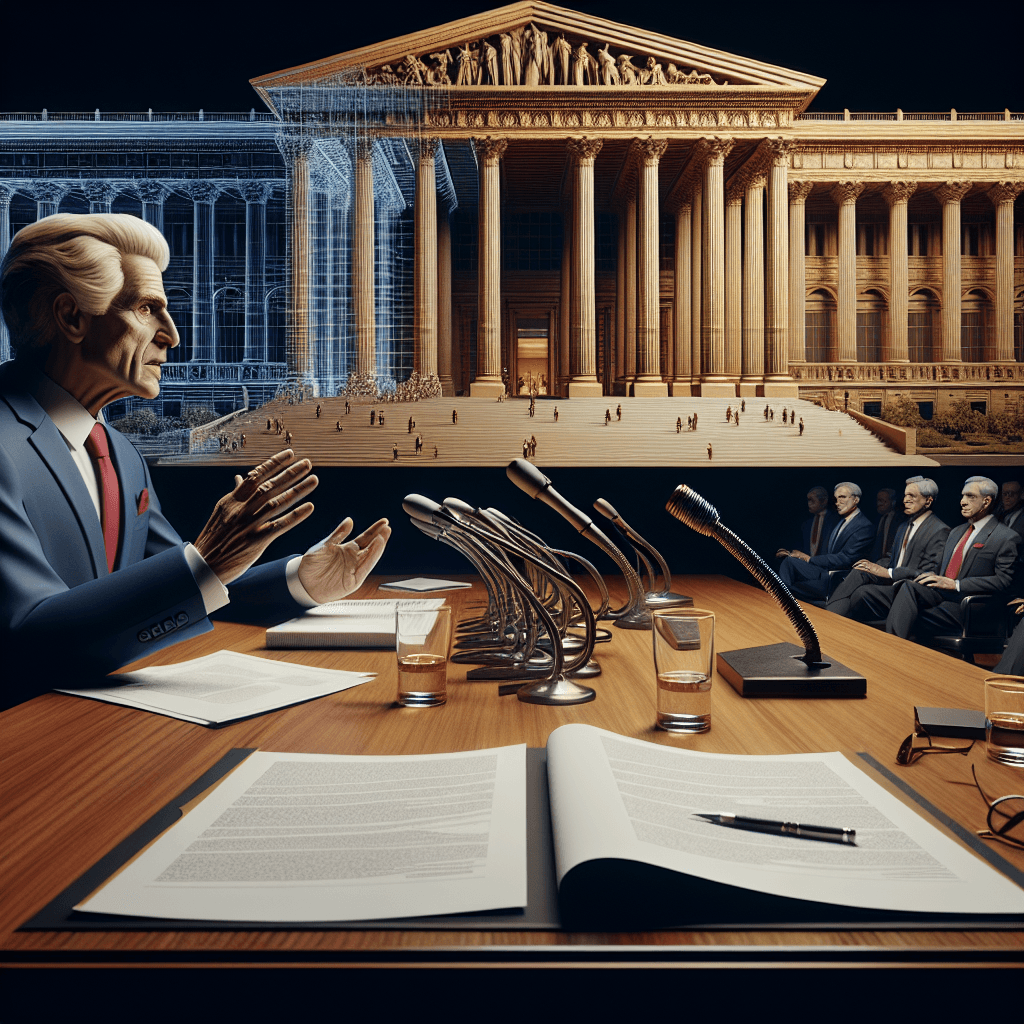
The recent legal dispute over the construction of a new ballroom at the White House unveils not only the architectural ambitions of the Trump administration but also the profound tensions between innovation and preservation. At the end of March 2026, a judge suspended the project, estimated to cost approximately $400 million, citing the necessity of congressional approval for any significant alteration to an iconic building such as the White House.
An Ambitious Project Under Fire
Trump's project includes the establishment of an extravagant ballroom inspired by his Florida resort, Mar-a-Lago, aimed at serving official presidential functions and hosting large-scale events. Critics have been vocal, arguing that the effort to construct such a grandiose venue would undermine the architectural integrity of the White House and disrupt the historical symmetry of downtown Washington. In particular, the swift demolition of the East Wing, a crucial part of the White House's history, has sparked a wave of indignation. These debates transcend architecture, touching upon national identity and the respect owed to cultural heritage.
Institutional and Public Reactions
The reaction from the public and preservation organizations has been one of outright rejection. The National Trust for Historic Preservation accused the administration of acting without the necessary permits and of lacking transparency and respect for legal norms. The historic edifice does not belong to the president but stands as a national symbol that must be protected for future generations. Judge Richard Leon emphasized this responsibility, asserting that the president is merely the “steward of the White House for future generations.” This observation underscores the profound implications that current decisions hold for how history will be viewed by those who follow.
Confronting Justice
The courts now serve as stages for the clash between executive power and judiciary oversight. Judge Leon, in his ruling, dismissed the administration's arguments regarding national security risks associated with halting the project. This dismissal was surprising, given that the government sought to bolster its case with alarmist rhetoric tied to the safety of the president and his staff. Critiques of this stance suggest that not only are technical reasons pertinent but ethics in political leadership are equally significant.
Political and Societal Pressure
Beyond the courts, political and societal pressures are becoming increasingly palpable. The project's estimated cost has escalated from an initial $200 million to nearly $400 million, raising questions about the sources of funding. Donald Trump has promised to use private donations to cover costs, yet this raises concerns about potential undue influence on political decisions. The notion that private interests can inappropriately sway public affairs remains a recurring apprehension and will continue to be discussed within the context of American democracy.
The Request for Approvals
The fact that the Trump administration managed to secure approvals from commissions closely associated with the president for the project's continuation, in spite of objections and the absence of other necessary legal approvals, raises ethical questions about the nature of these decisions. Such actions not only demonstrate political influence but also illuminate how policies can be shaped through strategic alliances. Moreover, this situation casts doubt on the efficacy of the oversight system governing major projects affecting historical structures.
The Impact on Public Images
This struggle between legal authorities and the Trump administration is not merely a matter of architecture; it reflects a deeper dynamic: how public perception of the administration is influenced by such controversies. Issues of preservation and change are central themes in discussions about national identity and history. What does the White House truly represent to Americans today? What does it symbolize in modern times?
An Uncertain Future
Today's decisions are not merely reflections of personal ambitions for power; they may dictate how history is perceived by countless generations to come. This conflict is not solely about a ballroom; it is about respect for the past and how the future will build upon its foundations. The outcome will significantly impact architecture and the legacy of Donald Trump as president, an aspect that proves crucial in discussions surrounding cultural heritage. As with most large-scale projects, this one will leave a lasting mark—whether positive or negative.
The Warhial Perspective
From the Warhial perspective, we face a crisis of values. The battle for the White House is not just physical; it is also ideological. In an era when private influence on politics is increasingly contested, it is vital for society to remain vigilant about how the future of national heritage unfolds. While innovation and change are necessary, they must occur with a dual respect for the traditions that define a people. Only then can we preserve not just buildings but also our national identity.