Concerns Rise in Lebanon Over Potential Israeli Military Escalation
Beirut, Lebanon – Concerns are mounting in Lebanon regarding a possible new military escalation from Israel, reminiscent of the 2024 conflict that resulted in over 4,000 deaths and displaced roughly a quarter of the country's population.
The intensification of tensions comes amid increasing pressure from the United States and Israel on Lebanon to ensure the disarmament of the Shiite group Hezbollah. The decision to bring Hezbollah's weapons under state control is popular in Lebanon, except among the group’s traditional support base. However, analysts fear that internal tensions could lead to violence if Israel continues to attack the country without consequences and if disarmament is imposed by force.
Tensions have been further heightened following a meeting in Florida between U.S. President Donald Trump and Israeli Prime Minister Benjamin Netanyahu on December 29, where Netanyahu was reportedly authorized to initiate a new offensive against Hezbollah in Lebanon. Although a ceasefire has been in effect since November 2024, Israel has attacked Lebanon almost daily, leaving tens of thousands of Lebanese displaced from their homes along the southern border. There are now fears that military actions will escalate.
On Sunday, Israel launched approximately 25 attacks on southern Lebanon, leaving many citizens concerned about further large-scale assaults. The United Nations asserts that Israel has violated the ceasefire more than 10,000 times since November 2024. Nearly a year into the conflict that began in October 2023, Israel has escalated its war against Lebanon, conducting a devastating series of attacks between September and November 2024.
All regions of Lebanon have been affected by Israeli attacks, including airstrikes and drone strikes. However, areas predominantly inhabited by Shiite Muslims, from which Hezbollah draws most of its internal support, have been especially targeted. Among those killed in the attacks was the long-standing leader of Hezbollah, Hassan Nasrallah. In October, Israeli troops invaded southern Lebanon, engaging Hezbollah on Lebanese territory.
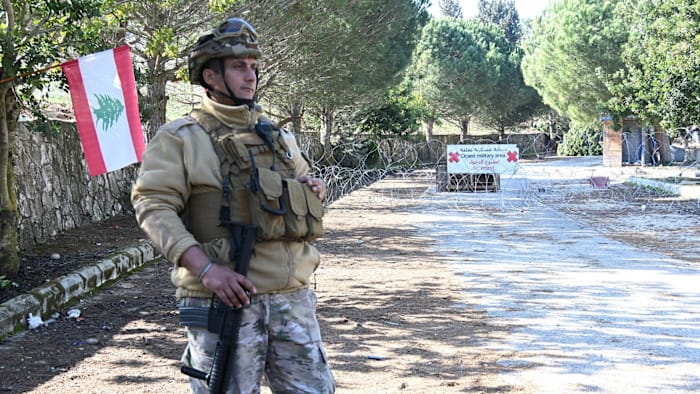
When the ceasefire was agreed upon in November, Israel was supposed to withdraw all its troops from Lebanese territory within two months, while Hezbollah was to retreat north of the Litani River, and the Lebanese army was to deploy in southern Lebanon. Attacks from both sides were to cease. However, over the past year, Israel has continued to attack Lebanon almost daily. Hezbollah has largely avoided responding militarily, while the Lebanese army has dismantled Hezbollah's infrastructure in southern Lebanon, according to Lebanese government and military officials.
Israel has withdrawn most of its troops but maintains control over five areas in Lebanon under the pretext of ensuring its security. “You cannot just rely on international guarantees or borders. You must be wherever there is danger. This is the main lesson from October 7,” stated Amit Segal, an Israeli journalist familiar with the Netanyahu administration. People in southern Lebanon have become accustomed to the attacks, but they remain uncertain about what to expect next.
“The situation is calm,” said local resident Hussein Salman. Kamel Jaber, a journalist from the southern city of Nabatieh, remarked that the situation remains tense. “Sometimes several days pass with nothing, other times, in a single day, the Israelis carry out a series of attacks through their warplanes.” Many people in Lebanon are now convinced that what happens next will depend more on agreements and calculations between Israel and the United States, rather than on the actions of the Lebanese government.