Reflections from Tehran: Distrust in Trump’s Peace Promises
Shadows of the Past in Diplomatic Future
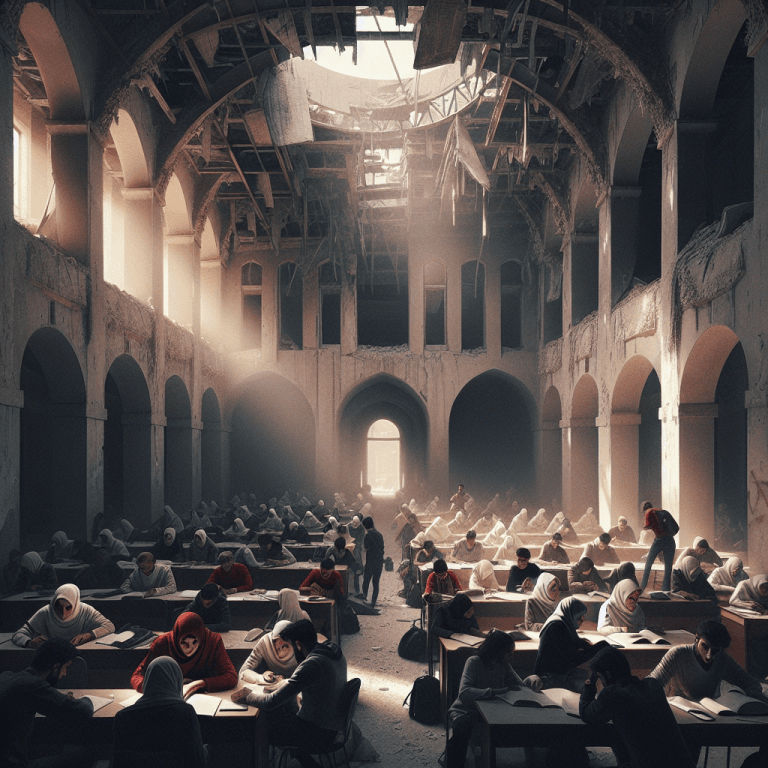
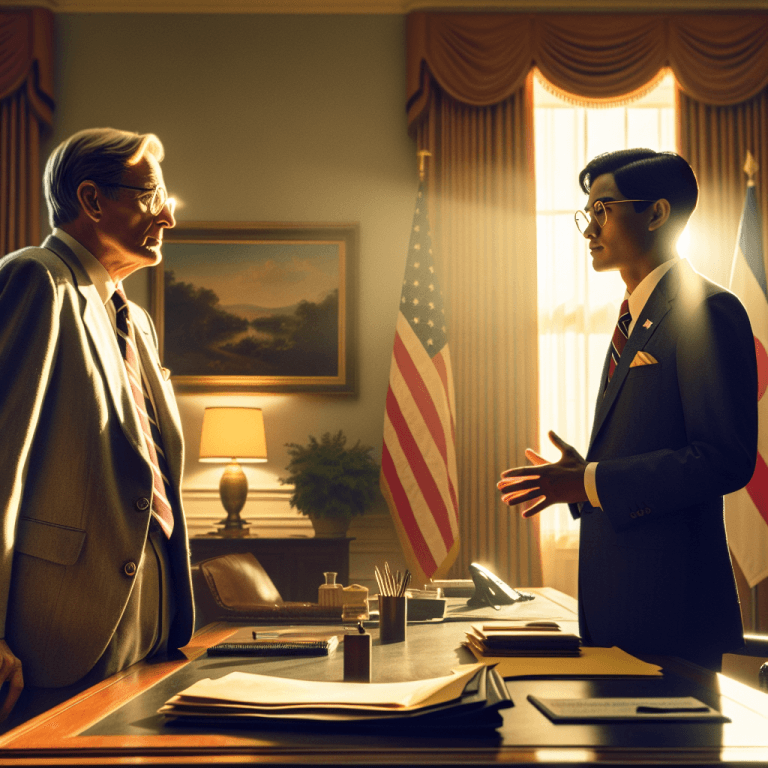
Tehran, beset by international tensions, reflects a skeptical reaction to Donald Trump's statements regarding 'negotiations' with Iran. Recently, the American president announced a suspension of attacks on Iranian energy infrastructure, which could signal a moment of de-escalation. However, between diplomatic optimism and everyday reality lies a profound chasm of distrust.
Diplomatic Efforts Amid Distrust
Many residents of Tehran have expressed a sentiment that any opening to dialogue with the United States is a trap destined for failure. “If we trust him, we will lose,” asserts a woman at a café table in the heart of the city, subjecting discussions on foreign relations to a critical analysis of recent history. In the minds of Iranians, bringing to the table leaders they consider untrustworthy is not a viable option, a sentiment deeply reinforced by recent events.
Masques and Metaphors
The Iran-U.S. relationship has always been complex, from the revolution in 1979, when trust evaporated swiftly, to systematic conflicts and economic sanctions. Every piece of news about negotiations or dialogue is met with suspicion. The inhabitants of Tehran live with memories of years when diplomatic promises turned into devastating consequences, such as severe sanctions on the Iranian economy. In this context, Trump’s claims regarding a pause in attacks are viewed as yet another means of manipulation, a rhetoric intended to capture attention and create the illusion of progress.
Human Relations and Political Impact
In everyday experiences, interactions between Iranians and foreigners are often marred by distrust. “How can we negotiate with someone who doesn’t respect our sovereignty?” laments a young economist, highlighting the drape of distrust that lingers between peoples. This mentality manifests not only in political life but also in human relationships, where any benevolent intention is harshly scrutinized and often rejected.
War Rhetoric and Defensive Strategy
Following Trump's announcement, many voices in Iran reacted with caution. Iran's Foreign Ministry officially denied that negotiations were taking place, reinforcing a general sentiment of defense against a perceived threat. This stance is not merely strategic; it reflects a political culture that emphasizes national dignity and a tumultuous history with the United States. The Iranian regime weaves narratives of threat and victimization to justify its absence from the negotiating table.
The Economic Impact of Sanctions
Daily life for many Iranians is marked by economic crises exacerbated by international sanctions. Rising prices for basic goods, food, and fuel have triggered a wave of dissatisfaction among the populace, who feel abandoned by the international community. This intertwines with the perception that, while rhetoric may suggest an opening, the reality is a continuation of economic suffering. A man at a local market remarks that “regardless of what leaders discuss, we are the ones who pay the price,” prompting a profound reflection on the true costs of foreign policy.
Tehran Facing International Uncertainty
Amid these ambiguities, public life in Tehran is a labyrinth of emotions and reactions. Tehranis express frustration over their leaders’ inability to ensure stability and peace. “We no longer want promises; we want actions,” a group of young activists adds, underscoring the need for real results rather than populist speeches.
A Challenging Future in International Relations
Against a backdrop of escalating tensions and unconventional negotiations, the future of Iran-U.S. relations remains uncertain. Tehran finds itself in a vulnerable position, facing not only external threats but also considerable internal pressure. The Iranian youth aspire for change and the possibility of better relations with the West, but skepticism toward deceptive promises is deeply rooted.
The Struggle for a New Beginning
While some observers might suggest that an opening from Trump could bring about change, the majority of Tehran residents remain puzzled about how and when such change could occur. Will the infamous negotiations merely serve as another way to buy time, or could they open doors to a new beginning? The questions remain unanswered, yet this does not stifle hopes for social, economic, and political change within Iran.
The Necessity of Authentic Dialogue
Genuine dialogue will require much more than mere declarations of intent. It will necessitate a concerted effort from both sides to confront not only external political issues but also deeply rooted perceptions and traumas. Those in Tehran desire a partnership based on mutual respect rather than manipulation and political masks.
The Warhial Perspective
The rhetorical warfare between Trump and Iran reflects a more complex dynamic than mere military threat. Generations of Iranians have lived under the shadow of distrust and conflict. In the absence of a true diplomatic commitment and a course correction from the U.S., Iran will continue to navigate uncertainties, with its people seeking internal solutions. There is an urgent need for a new approach from the international community, one that emphasizes constructive dialogue and genuine cooperation rather than threats and manipulation. Without such a change, Iran's foreign relations will remain marked by a distrust that could, in the long run, fuel an even deeper social and economic crisis.