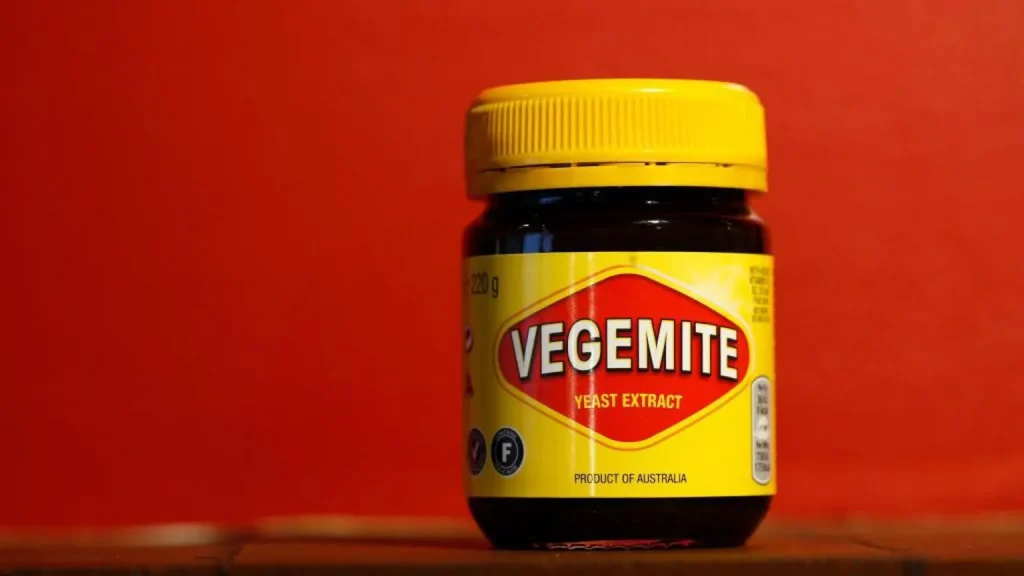
Australian murderer sues for the right to eat Vegemite in prison — a cultural battle behind bars
In one of the most unusual legal cases to emerge this year, Andre McKechnie, a convicted murderer serving a life sentence, is suing the state of Victoria for banning Vegemite, Australia’s most iconic breakfast spread, inside its prisons.
Why Vegemite is banned
Since 2006, Victoria’s prisons have prohibited Vegemite because:
-
it can disguise the smell or appearance of contraband substances,
-
and can be used to ferment alcohol inside cells.
Authorities argue the ban is essential for security.
But McKechnie says this violates his cultural rights
According to court documents obtained by AFP and AP, McKechnie claims the ban infringes on his right to:
-
“enjoy his culture as an Australian,”
-
receive food “adequate to maintain his wellbeing.”
McKechnie, now 54, was convicted in the 1990s for fatally stabbing a property developer in Queensland. After serving early years in a Queensland prison, he was transferred to Victoria — and discovered that the country’s most famous spread was off-limits.
The trial is expected to begin next year.
Vegemite: pride, controversy and cultural warfare
Vegemite first hit Australian shelves in 1923 as a local alternative to Britain’s Marmite. Since then, it has become:
-
a national symbol,
-
a breakfast staple,
-
and one of the most divisive foods in the world.
In 2022, Melbourne even declared the smell of Vegemite drifting from a local factory to be a “significant” part of the city’s cultural heritage.
But the spread also features in Sweden’s Disgusting Food Museum, alongside natto, stinky tofu and monkey brains — proof that global audiences remain divided.
Vegemite on the global stage: from banned in Canada to defended by Australia’s PM
Earlier this year, a café owner in Canada was ordered to remove Vegemite from his shelves over health regulation concerns.
Australia’s Prime Minister Anthony Albanese intervened sharply:
“It’s rather odd that Canada allows Marmite — Vegemite’s inferior rival — but not Vegemite.”
Canadian authorities quickly reversed their decision.
Is Vegemite a food — or a cultural right?
McKechnie’s lawsuit raises a compelling question:
👉 Can denying access to a national food constitute a violation of cultural identity?
Victoria’s prison authorities insist security comes first.
But the prisoner’s argument taps into something deeper — the symbolic power of Vegemite in Australian identity.
Whether the court will ultimately defend this unlikely claim remains to be seen.
But one thing is certain: only in Australia could a yeast extract spread spark a legal battle about cultural rights, prison security and national pride — all at once.