“Parasocial” is Cambridge Dictionary’s Word of the Year — the rise of one-sided emotional bonds with celebrities and AI
Cambridge Dictionary has chosen “parasocial” as its Word of the Year, reflecting a phenomenon that has exploded across social media: one-sided emotional relationships between fans and celebrities — or even AI bots — they have never met.
Psychologists say millions now feel emotionally connected to public figures more intensely than ever before.
Taylor Swift, Travis Kelce and the global parasocial wave
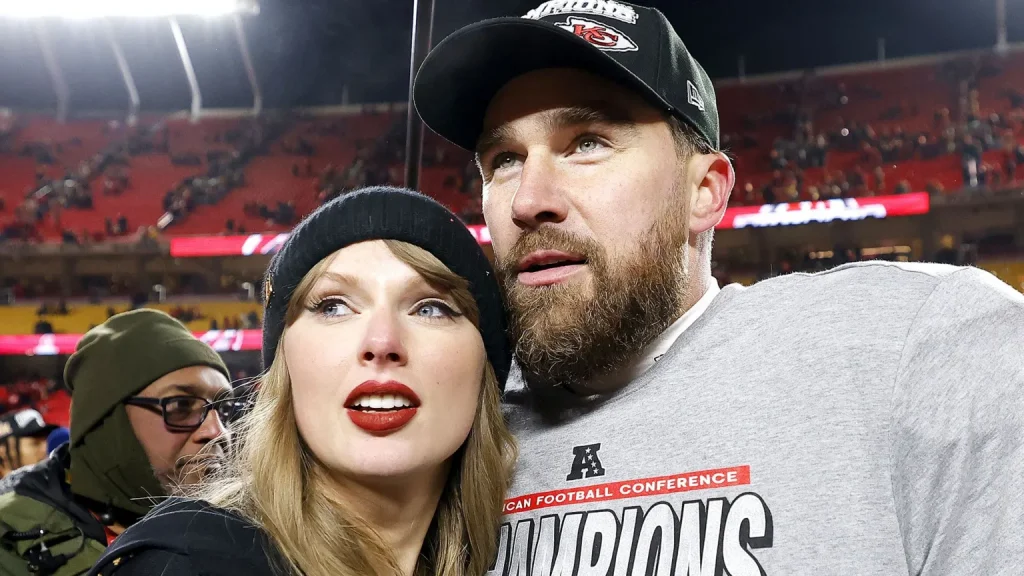
When Taylor Swift and NFL star Travis Kelce announced their engagement, fans around the world reacted as if they were part of the relationship.
Swift’s deeply personal lyrics amplify this emotional closeness — a textbook example of parasocial bonding.
Cambridge Dictionary’s chief editor Colin McIntosh explains:
“It began as an academic term, but social media pushed it into everyday language.”
The term originated in 1956, coined by sociologists Donald Horton and Richard Wohl, who observed viewers forming emotional attachments to TV personalities appearing daily in their living rooms.
Not obsession — an illusion of mutual connection
Senior editor Jessica Rundell says:
“A parasocial relationship is more than being obsessed. It’s feeling like the other person knows you just as you know them.”
Cambridge highlights examples such as:
-
Lily Allen’s breakup album West End Girl, which encouraged fans’ curiosity about her personal life;
-
people developing emotional attachments to AI bots, treating them as friends, confidants or romantic partners;
-
podcast hosts becoming “replacement friends” through their intimate storytelling.
AI and influencers: the new frontier of parasocial attachment
With millions engaging daily with virtual assistants, chatbots and influencers, parasocial relationships reach far beyond television.
Some users speak to AI systems as if they were partners. Others follow podcasters whose confessions trigger emotional intimacy stronger than with real-life acquaintances.
The viral moment that spiked dictionary searches
Searches for “parasocial” surged when YouTuber IShowSpeed blocked an obsessive fan, calling him his “number 1 parasocial”.
It triggered a global wave of searches:
What does parasocial mean?
How a word makes it into Cambridge Dictionary
McIntosh clarifies:
“We’re not judging whether a word is good or bad — the question is: does it stand the test of time?”
New internet-born entries added this year include:
skibidi, delulu, tradwife.
The age of emotional illusions
As celebrities, content creators and AI companions fill the screens — and minds — of millions, the boundary between reality and imagined intimacy continues to blur.
In 2025, “parasocial” isn’t just a word.
It’s a mirror reflecting how people connect, feel, idolize — and get lost — in a digital world where closeness has never been so easy… and yet so unreal.