WHO Warns of Global Shortage of Obesity Drugs as Demand Surges: Fewer Than 10% of Eligible Patients Can Access Treatment
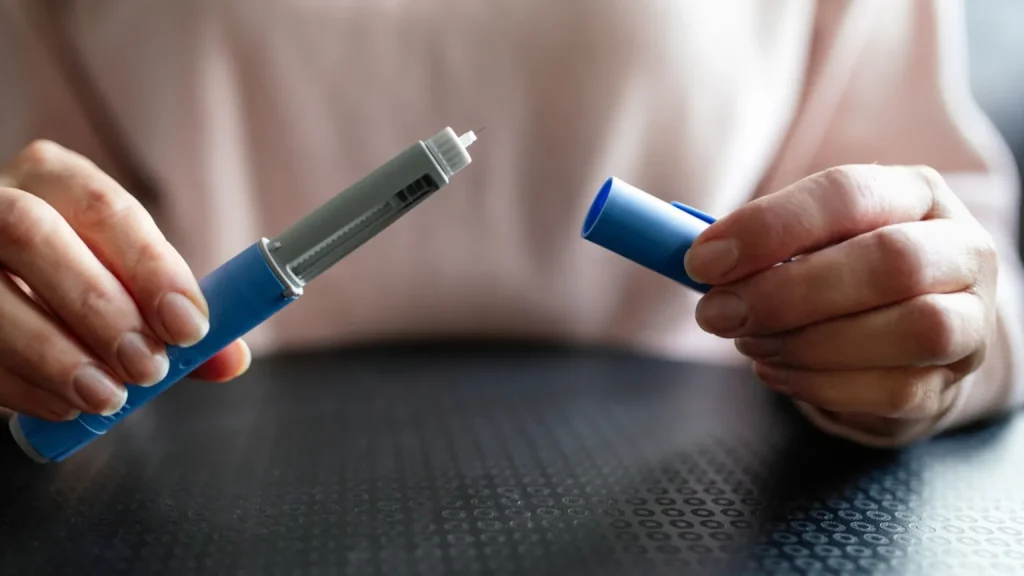
The World Health Organization (WHO) has issued a stark warning about a growing global shortage of obesity medications such as Wegovy and other GLP-1 therapies. In its first-ever guidance on the use of these drugs for obesity, WHO states that fewer than one in ten people worldwide who could medically benefit from these injections are actually able to obtain them.
A worsening global obesity crisis
Over 1 billion people are currently living with obesity, and projections indicate the number will rise to over 2 billion by 2030 unless decisive action is taken. WHO emphasizes that GLP-1 drugs represent a critical tool in addressing what it defines as a chronic, complex disease rather than a simple lifestyle issue.
WHO Director-General Tedros Adhanom Ghebreyesus announced:
“Our new guidance recognises obesity as a chronic disease requiring lifelong care. While medication alone cannot solve this crisis, GLP-1 therapies can help millions overcome obesity and its associated harms.”
Why is there a global shortage?
WHO identifies several major barriers:
-
High cost
-
Insufficient production capacity
-
Supply-chain disruptions
Even under the best projections available, worldwide production of GLP-1 medications could support no more than 100 million patients, which is less than 10% of global need.
WHO calls for fair access and licensing reform
As part of its recommendations, WHO urges:
-
voluntary licensing agreements, allowing generic manufacturers to produce affordable versions;
-
expanded access programs, especially in lower-income countries;
-
negotiated price reductions with pharmaceutical companies;
-
integration of obesity care into national healthcare systems.
The patent on semaglutide — the active ingredient in Novo Nordisk’s Wegovy — is set to expire in several countries in 2026, opening the door for cheaper generics.
How GLP-1 drugs work
These medications mimic a hormone that:
-
slows stomach emptying,
-
suppresses appetite,
-
increases satiety.
Weekly injections typically lead to significant weight loss within weeks. However, studies show most patients regain the weight within a year of stopping treatment.
A growing global health and economic threat
According to WHO, obesity was linked to 3.7 million deaths in 2024 and contributes significantly to rising rates of diabetes, heart disease, stroke, and certain cancers.
WHO stresses that medication must be combined with long-term lifestyle support, including diet and physical activity.