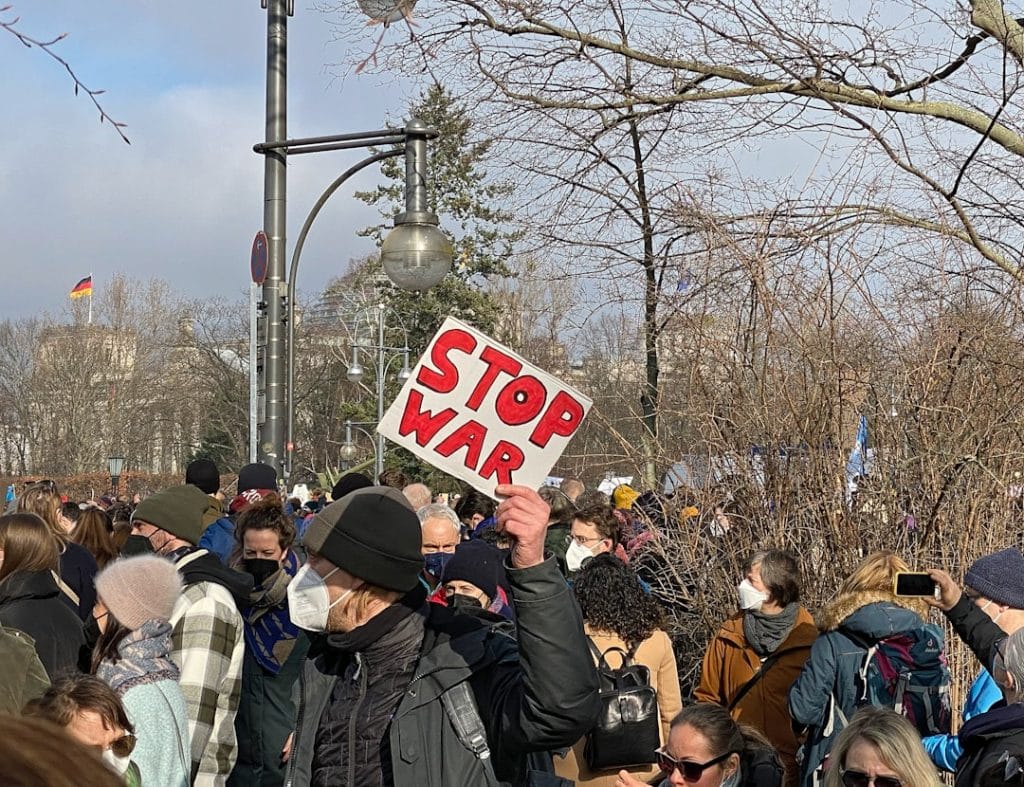
Widespread Protests Erupt in Major Cities Over Growing Economic Inequality Driven by Inflation and Job Losses
Context & Background
The backdrop of today’s growing unrest can be traced back to the financial crisis of 2008, when millions lost their jobs and homes, leading to a significant shift in the global economy. Governments worldwide injected staggering amounts of capital into their economies to stabilize the markets, but the recovery was uneven. In the years that followed, a stark divide emerged between the wealthy elite, predominantly benefiting from stock market rebounds, and the working and middle classes, who found themselves grappling with stagnant wages and escalating living costs. The COVID-19 pandemic exacerbated these disparities, causing massive job losses and further deepening economic divides. As prices of essential goods surged, fueled by ongoing supply chain disruptions and fluctuating energy costs, the discontent among the populace began to brew. Protests, aimed at seeking equitable distribution of wealth and an end to economic policies favoring the rich, have now flared up across major cities, reminiscent of the Occupy Wall Street movement that aimed to highlight the 1% versus the 99% divide. This unrest is not isolated; it reflects a growing global trend where voices against systemic inequality are increasingly rising and risking the status quo.