Global Economic Shifts: The Impacts of Recent Trade Policy Changes on International Markets
Context & Background
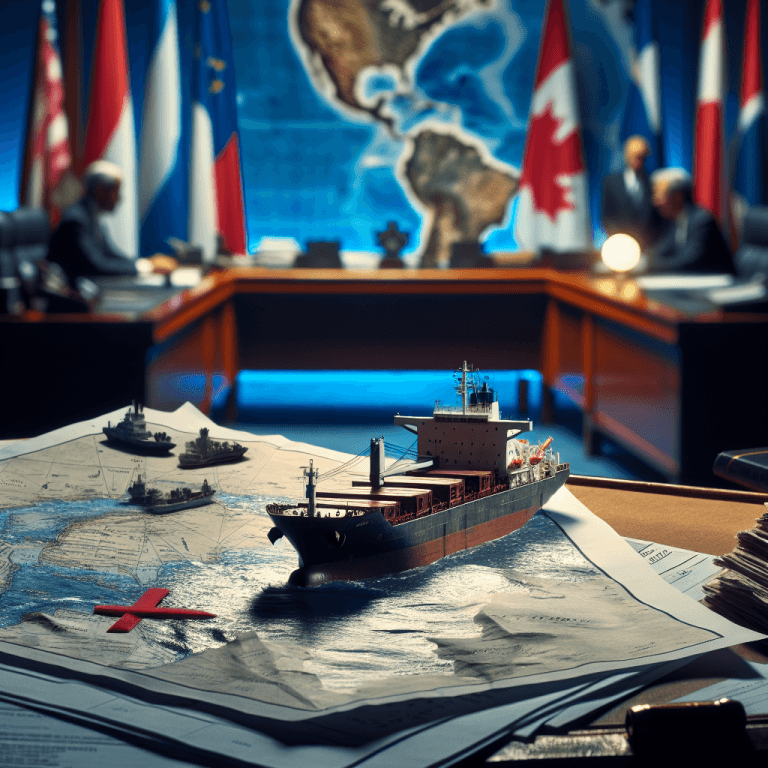
The modern global economy has been shaped significantly by the rise and fall of trade policies that have facilitated the flow of goods and services between nations. Since World War II, various trade agreements and organizations, such as the World Trade Organization (WTO) and regional trade pacts, have played pivotal roles in promoting free trade, which is the unrestrained exchange of goods across international borders without tariffs or quotas. However, the political landscape has transformed dramatically in recent years, with a notable shift towards protectionism in several major economies. Protectionism involves the government action to restrict or regulate international trade, designed to benefit local industries at the expense of foreign competitors. This is often done through tariffs, which are taxes imposed on imported goods, and quotas, which limit the quantity of goods that can be imported. The effects of these policies are profound, impacting everything from employment rates to inflation, and complicating the dynamics of international relationships.
Incident Details
Official Reactions
Impact & Future Outlook
The implications of these trade policy changes extend far beyond immediate market responses, potentially reshaping the landscape of global trade for years to come. A study conducted by leading economic analysts highlighted that escalating tariffs could lead to price rises on a vast array of consumer goods, resulting in a direct impact on the cost of living. Such scenarios could worsen inflation rates and erode purchasing power for families. Furthermore, businesses that depend on a global supply chain may seek alternative sourcing strategies, which could lead to a redistribution of manufacturing hubs worldwide. In the long term, countries may re-evaluate their reliance on global trade dependencies, fostering a resurgence of local production initiatives and potentially leading to greater economic self-sufficiency. This could also inspire other nations to adopt similar protectionist measures, leading to a fragmented international trading system. Policymakers will need to undertake careful consideration of both domestic economic factors and international relations when navigating these turbulent waters. The evolution of these relationships in the coming months will certainly shape the future of the global economy, leaving many wondering how long-lasting the effects of these trade policy changes will be.