Germany cancels auction of Nazi concentration camp items after public backlash, Polish minister says
A controversial auction in Germany that planned to sell more than 600 artefacts linked to prisoners of Nazi concentration camps has been cancelled, according to Poland’s Deputy Prime Minister Radoslaw Sikorski. The move follows intense criticism from Holocaust survivors’ groups, politicians and cultural officials.
German auction house Felzmann had scheduled the sale for Monday in the city of Neuss. Items included a letter written by an Auschwitz prisoner and a medical report documenting the forced sterilisation of a Dachau inmate. The planned sale sparked outrage across Europe.
“Respect for victims requires the dignity of silence, not the noise of commerce,” Sikorski wrote on X, thanking German Deputy Minister Johann Wadephul for helping stop the auction.
By Sunday afternoon, German media reported that the listing had been removed from the Auktionshaus Felzmann website. The BBC has contacted the auction house but has not yet received a response.
Germany’s State Minister for Culture, Wolfram Weimer, said documents and medical reports produced by Nazi perpetrators “do not belong in private collections” and urged steps to prevent future auctions of this nature.
Christoph Heubner, executive vice-president of the International Auschwitz Committee, condemned the attempted sale as “cynical and shameful,” adding that it has caused deep distress among Holocaust survivors. Such artefacts, he stressed, “belong to the families of victims” and should be displayed only in museums or memorial exhibitions.
Poland’s culture minister, Marta Cienkowska, announced that her ministry will investigate the provenance of the items to determine whether any should be returned to Poland, given the historical context of the camps.
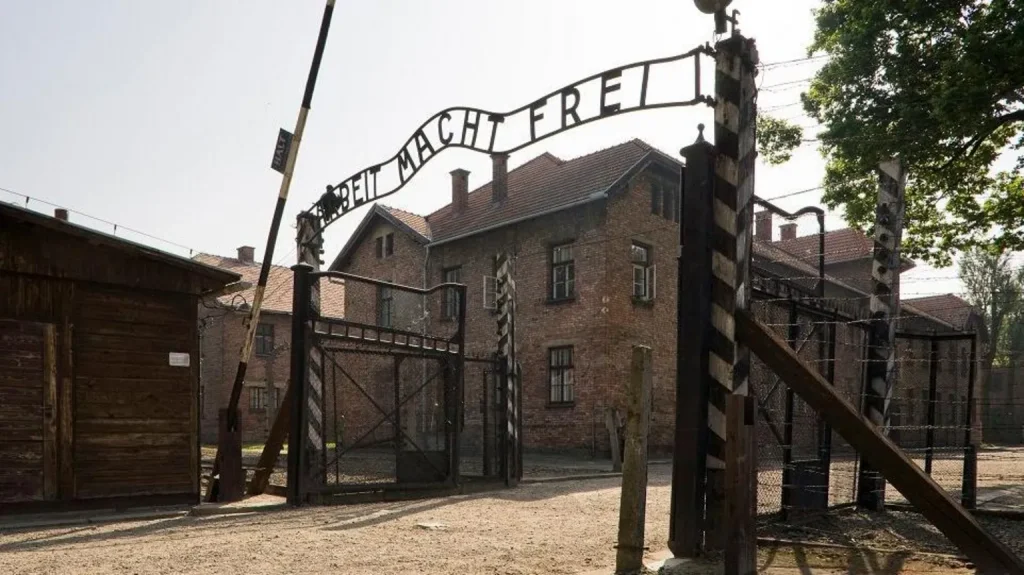
Auschwitz, the largest Nazi death camp, was central to the genocide of Europe’s Jews. Nearly one million of those murdered there were Jewish. Other victims included Poles, Roma and Soviet prisoners of war.
Many of the objects intended for auction reportedly originated from Auschwitz and Buchenwald — sites that today serve as powerful reminders of Nazi atrocities.
Holocaust memorial groups have welcomed the cancellation, calling it an essential step in protecting historical memory and preventing the commercial exploitation of human suffering.