United Front in The Hague: Maia Sandu and Volodymyr Zelenskyy Hold Strategic Talks on Justice, Peace, and a Shared European Future
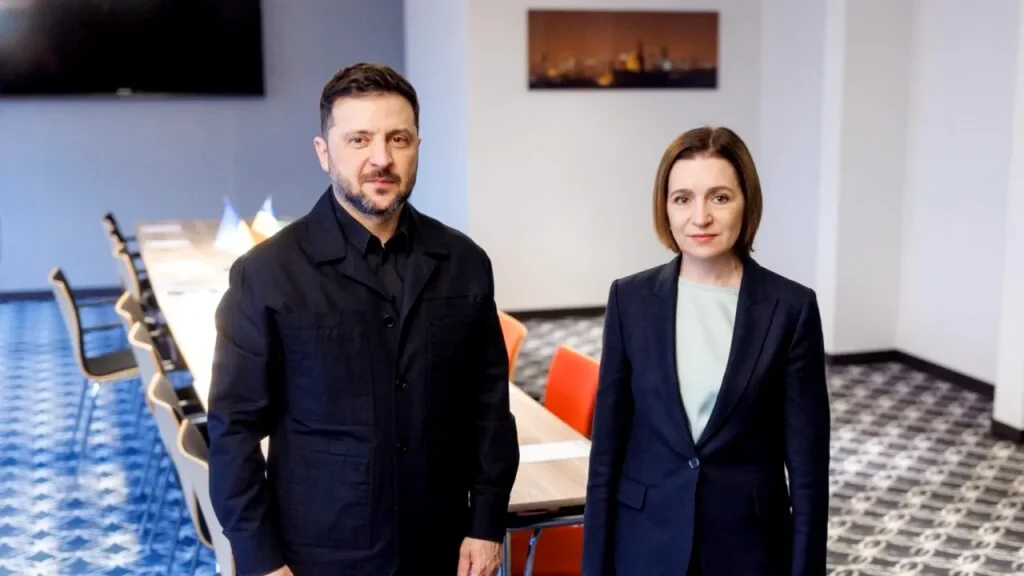
In a defining moment for Europe's security and justice architecture, The Hague—the global symbol of international law—became the stage for a crucial meeting between the President of the Republic of Moldova, Maia Sandu, and the President of Ukraine, Volodymyr Zelenskyy. Held on the sidelines of the ceremony establishing the International Claims Commission for Ukraine, the meeting marks a new chapter in the unconditional solidarity between Chisinau and Kyiv, facing continued aggression and the major geopolitical challenges of 2025.
Justice as the Foundation of Peace
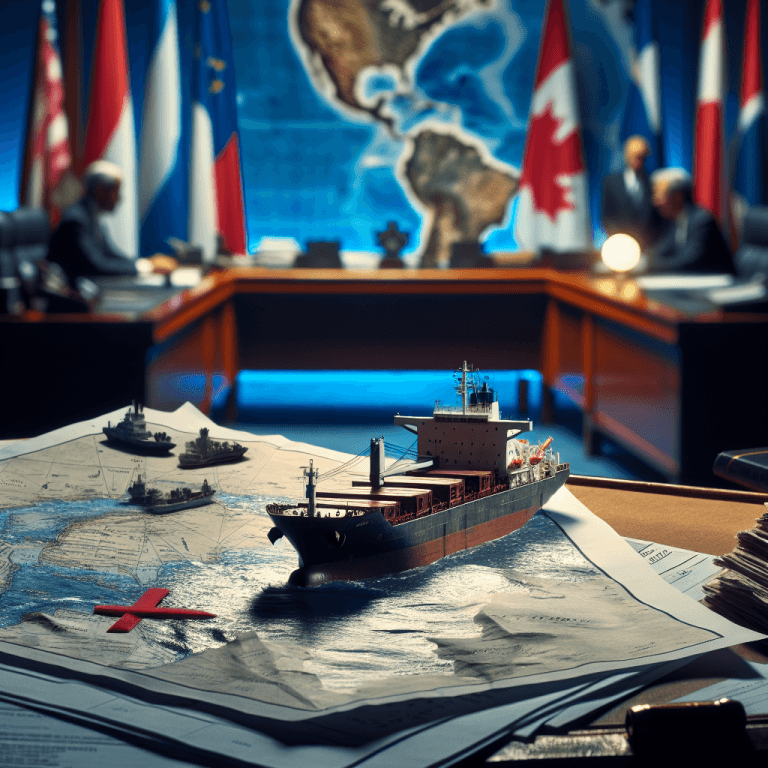
The presence of the two leaders in The Hague is not merely symbolic; it carries immense legal and historical weight. The establishment of the International Claims Commission represents a concrete step toward holding the aggressor accountable and creating a viable mechanism for war victims to seek compensation.
"Being in The Hague on the occasion of the establishment of the International Claims Commission for Ukraine, I discussed with the President of Ukraine," Maia Sandu wrote. Her message underscores that for Moldova and Ukraine, peace implies not just the silencing of guns, but the restoration of justice. "Moldova supports all efforts for a dignified peace that lasts," the President emphasized, a clear reference to the fact that any future armistice or agreement must respect Ukraine's territorial integrity and ensure reparations for the colossal destruction suffered.
The Frontline Situation and Regional Resilience
Inevitably, the discussions between Sandu and Zelenskyy addressed the harsh realities on the front lines. In 2025, a year marked by the attrition of war but also by Ukrainian resistance that continues to astonish the free world, coordination between neighboring countries is vital. The Republic of Moldova, though militarily neutral, remains an essential logistical and humanitarian pillar behind the lines. Moldova's security is inextricably linked to Ukraine's ability to withstand the Russian offensive. The two leaders analyzed the hybrid risks targeting both states, fully aware that the destabilization of one automatically leads to the vulnerability of the other.
The European Anchor: The Ultimate Security Guarantee
A central topic of the dialogue was the European integration path. In 2025, accession negotiations are in an advanced phase, and the stakes of integration go far beyond economics. For Chisinau and Kyiv, the European Union has effectively become the most critical security project.
"EU membership will anchor Moldova in the space of peace and stability and will contribute to increasing Ukraine's security," Maia Sandu stated. This assertion reflects a paradigm shift: European integration is no longer just about prosperity; it is about state survival. A Moldova integrated into the EU becomes a stable flank for Ukraine, eliminating the risk of the country being used as a staging ground for Russian interests.
The leader from Chisinau reiterated her firm commitment to walking shoulder to shoulder with Ukraine on this path: "We remain committed to working alongside our partners for a peaceful, secure, and European future for Moldova, Ukraine, and the entire region."
Conclusion
The meeting in The Hague reaffirms the strategic partnership between the two capitals. In a Europe seeking solutions to end the bloodiest conflict on the continent since World War II, the unified voice of Moldova and Ukraine is heard clearly: lasting peace is built only through justice, solidarity, and European integration. The message delivered by Maia Sandu is one of unity: the destiny of Moldova and Ukraine is shared, and their future lies unequivocally within the great European family.