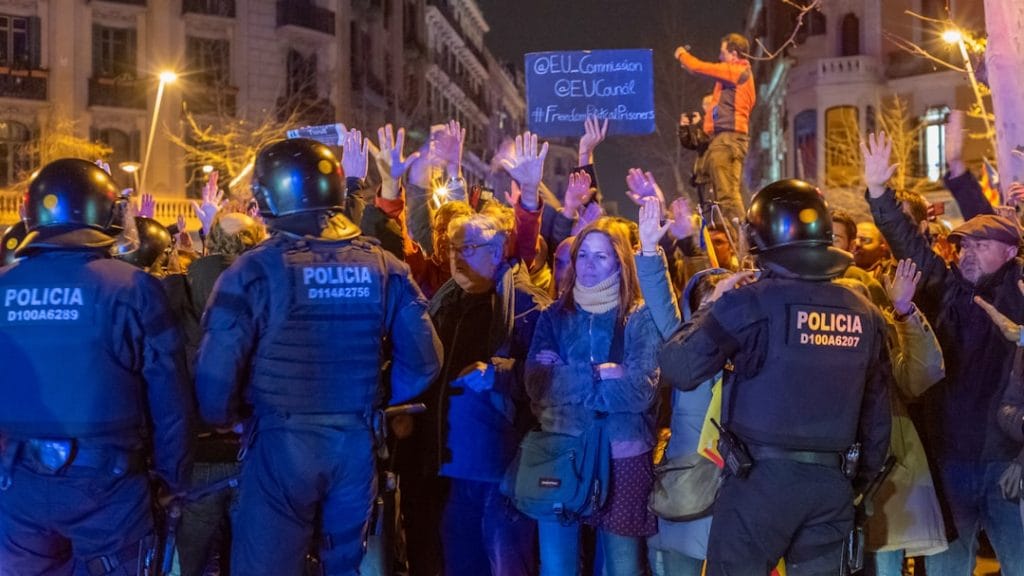
Political Turmoil in Eastern Europe: Assessing the Consequences of Recent Protests in Major Cities
Context & Background
The recent wave of protests sweeping through major cities in Eastern Europe is a stark reminder of the ongoing political tensions that have characterized the region since the end of the Cold War. After decades of Soviet domination, the fall of communism in the early 1990s ushered in a new era of democratic governance and economic reform. However, the transition has been fraught with challenges, including rampant corruption, economic inequality, and pervasive disillusionment among the populace. Over the years, various ruling parties have struggled to maintain public trust, particularly in nations where economic growth has not translated into tangible improvements in living standards. The lingering effects of economic hardship, coupled with high unemployment rates and inflation, have created a fertile ground for discontent. This recent series of protests can be viewed as a culmination of years of grievances, driven by calls for greater accountability, transparency, and comprehensive reforms in political and economic structures. As ordinary citizens take to the streets, the underlying historical narrative of national identity and sovereignty is being reexamined, challenging both established elites and external influences.