Japanese Concerts Abruptly Halted in Shanghai Amid China–Japan Tensions: One Piece Singer Pulled Off Stage Mid-Performance
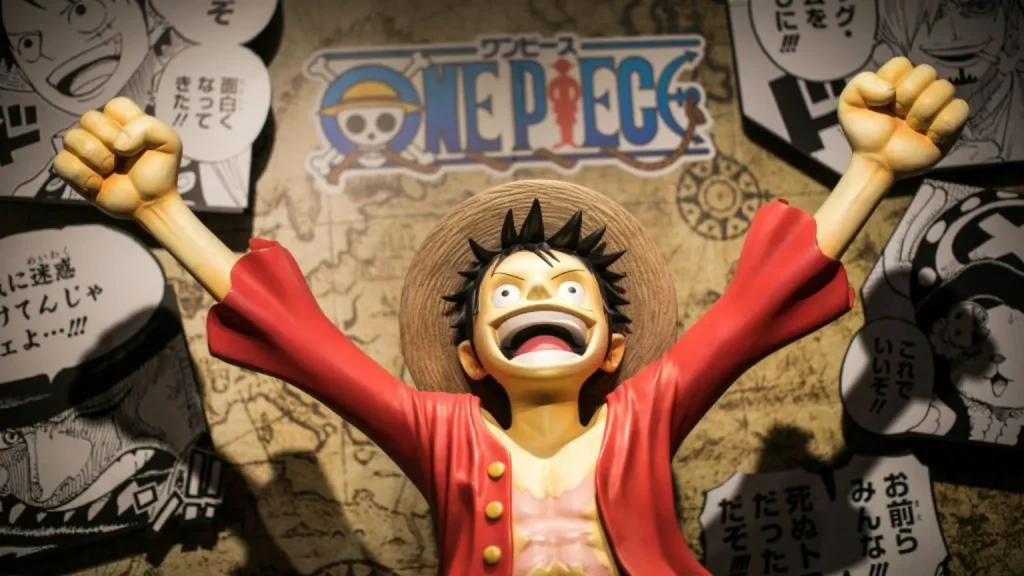
Diplomatic friction between China and Japan has spilled over into the world of entertainment, leading to a series of abrupt cancellations of Japanese music events in Shanghai. The most striking incident involved singer Maki Otsuki — well known for performing the iconic theme song of the global hit anime One Piece — who was pulled off stage in the middle of her performance.
A Concert Cut Off Mid-Song
On Friday evening, Otsuki was halfway through her performance when the lights suddenly went out, the music stopped, and two staff members rushed her off the stage. Videos posted online show a confused audience left in near darkness, wondering what happened.
Her management later issued a brief statement attributing the interruption to “unavoidable circumstances,” though it refused to provide specifics or give interviews. According to the statement, local staff members remained polite and cooperative.
Otsuki’s appearance was part of a three-day music festival in Shanghai. The remaining events were subsequently cancelled “after comprehensively taking various factors into consideration,” according to Kyodo News.
Ayumi Hamasaki Performs to 14,000 Empty Seats
A day later, pop megastar Ayumi Hamasaki faced a similar situation — but responded very differently. Organizers abruptly cancelled her scheduled Shanghai performance, citing “force majeure.”
Rather than leave quietly, Hamasaki stepped onto the stage and performed the full concert to an empty stadium of 14,000 seats. The Japanese icon later posted a message on Instagram thanking her team, the Chinese staff members and fans, saying she believes entertainment should be a “bridge that connects people.”
Her gesture quickly spread across social media, earning her praise from viewers worldwide.
Political Background: Remarks on Taiwan Spark Outrage
The cancellations came amid rising political tensions triggered by comments from Japanese Prime Minister Sanae Takaichi. Responding to questions in parliament, Takaichi suggested Japan might consider military action if China attacked Taiwan — remarks that infuriated Beijing.
China, which claims Taiwan as part of its territory, has not ruled out using force to “reunify” with the island. Both nations have lodged diplomatic protests, and the tension has begun to seep into everyday life — including cultural and entertainment industries.
Just two weeks earlier, Chinese state media had announced that several Japanese anime film releases would be postponed.
Social Media Reactions: From Outrage to Nationalism
Fans reacted strongly to the incident involving Otsuki. A viral meme compared her sudden removal from the stage to the dramatic moment in 2022 when former leader Hu Jintao was escorted out of a Communist Party meeting.
Some users, including Chinese fans, criticized their own authorities:
“Why punish Chinese citizens who simply enjoy music?” one asked.
Others defended the cancellations, appealing to nationalist sentiment:
“How could such an event take place when the whole nation is angry with Japan?”
US Ambassador Joins the Debate
Adding to the international attention, US Ambassador to Japan George Glass posted on X (formerly Twitter):
“It’s truly regrettable that some people can’t feel the power of music. Maki-san, Don’t Stop Believin’!”
His message, referencing the classic Journey hit, was received with both praise and criticism.
Culture as Collateral Damage
With concerts halted, films postponed, and public sentiment increasingly polarized, artists and fans find themselves caught in the crossfire of geopolitics. The entertainment world — often seen as a space of unity — is now reflecting the fractures between two of Asia’s most influential nations.
The incident raises deeper questions about cultural freedom, political influence, and the growing role of nationalism in shaping public access to art and entertainment.