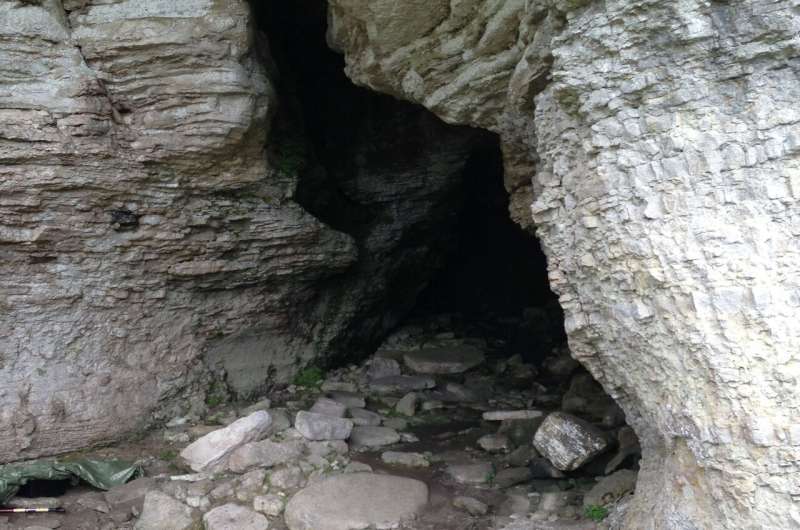
Researchers Discover Remains of Ancient Wolves on Baltic Island
Surprising Discovery of Ancient Wolves
Researchers have uncovered remains of ancient wolves on a small island in the Baltic Sea, suggesting that these wolves were brought there by humans. DNA analyses have confirmed that the animals were true wolves, not dogs, and showed signs of human interaction, indicating a complex management of these animals by people.
Genetic Clues and Human Involvement
The remains, dating from 3,000 to 5,000 years ago, indicate that wolves lived on an island without native mammals, implying they were transported there by humans. Chemical analysis of the bones suggests that these wolves had a diverse marine diet, similar to that of the island's human inhabitants.
Reevaluating Human-Wolf Relationships
The presence of wolves in a human settlement challenges traditional ideas about human-wolf interactions and the origins of domesticated dogs. This study opens new perspectives on the history of domestication and the relationship between humans and animals.