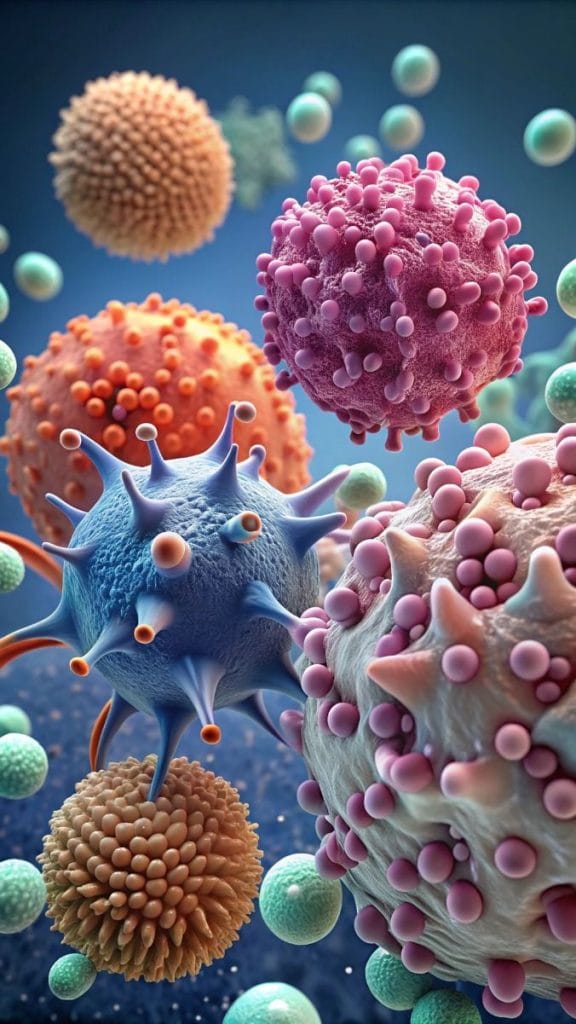
The Bacteria That Could Influence Sleep and Rest
A groundbreaking discovery is reshaping our understanding of sleep: it’s not controlled solely by the brain but also influenced by the gut microbiome. Researchers at Washington State University (WSU) have identified bacterial molecules called peptidoglycans in the brains of mice, which appear to directly regulate sleep cycles.
These molecules, naturally produced by gut bacteria, fluctuate with sleep-wake cycles and periods of sleep deprivation. They interact with brain receptors, influencing when and how strongly the body feels sleepy. The findings support the holobiont theory, which suggests that sleep is the result of a complex collaboration between the host organism and its microbiome.
The study implies that sleep could be a global phenomenon, where the interaction between bacteria and brain cells orchestrates the transition from wakefulness to rest, akin to gradually dimming lights in a house. This new perspective not only redefines the brain’s role in sleep but also carries implications for cognition, behavior, appetite, and even human evolution.
Professor James Krueger, co-author of the study, explains that the microorganisms in our bodies have a far longer evolutionary history than mammals, suggesting that sleep may have initially evolved from bacterial activity cycles. This highlights that bacteria not only influence sleep but also contribute to overall health.
WSU researchers plan to further investigate how these bacterial molecules communicate with the body and how this knowledge could lead to innovative therapies for sleep disorders, paving the way for optimized rest and a deeper understanding of the intricate relationship between brain and microbiome.