Political Unrest in the Heart of Eastern Europe: Analyzing Recent Protests in Belarus and Their Implications
Context & Background
Belarus, a landlocked country in Eastern Europe bordered by Russia, Ukraine, Poland, Lithuania, and Latvia, has a tumultuous history. Since gaining independence from the Soviet Union in 1991, Belarus has grappled with its national identity and governance structure. The presidency of Alexander Lukashenko, who took power in 1994, has been marked by authoritarianism and tight control over the media, political opposition, and civil society. His regime has been characterized by a reluctance to embrace democratic reforms, often resorting to oppressive tactics to quell dissent. The economic landscape of Belarus, heavily reliant on industries inherited from the Soviet era, has faced stagnation amid rising inflation and unemployment. This economic backdrop has spurred widespread dissatisfaction among the populace, resulting in periodic waves of protests, particularly after the controversial presidential elections that have seen Lukashenko claim victory in contests widely regarded as marred by irregularities and fraud. The 2020 protests escalated significantly following allegations of vote-rigging in the presidential elections, leading to an unprecedented wave of civil unrest and a brutal governmental crackdown.
Incident Details
In recent weeks, Belarus has once again erupted in protests catalyzed by escalating public discontent regarding political repression and economic woes. Thousands of Belarusians took to the streets demanding an end to Lukashenko's nearly three-decade rule, seeking not just political change but a restoration of civil liberties that have been systematically eroded. Protesters have employed various methods to express their dissent, from peaceful marches to social media campaigns aimed at disseminating information about state violence against activists. This round of unrest is particularly notable for its diversity; participants range from students and workers to pensioners, highlighting a broad coalition united against the regime. Law enforcement has responded with crackdowns reminiscent of those in 2020, deploying riot police to disperse crowds and utilizing internet blackouts to stifle communication. Key opposition figures have faced arrest or have had to flee the country, further complicating the political landscape. This current wave of protests is indicative of a deeper yearning for democratic principles and economic reform, reflecting the people’s frustration with a regime that they view as increasingly detached from the challenges facing everyday Belarusians.
Official Reactions
The Belarusian government has issued a series of statements condemning the protests, framing them as orchestrated efforts by foreign powers to destabilize the nation. Lukashenko’s administration has reiterated its commitment to maintaining order and security, labeling the protestors as "extremists." Internationally, reactions have been split; while some Western nations have condemned the actions of the Belarusian government and called for democratic reforms, others, particularly Russia, have offered unwavering support for Lukashenko. The European Union and the United States have stated their commitment to impose additional sanctions against individuals involved in human rights abuses and have signaled that they will support the Belarusian people's aspirations for democracy.
Impact & Future Outlook
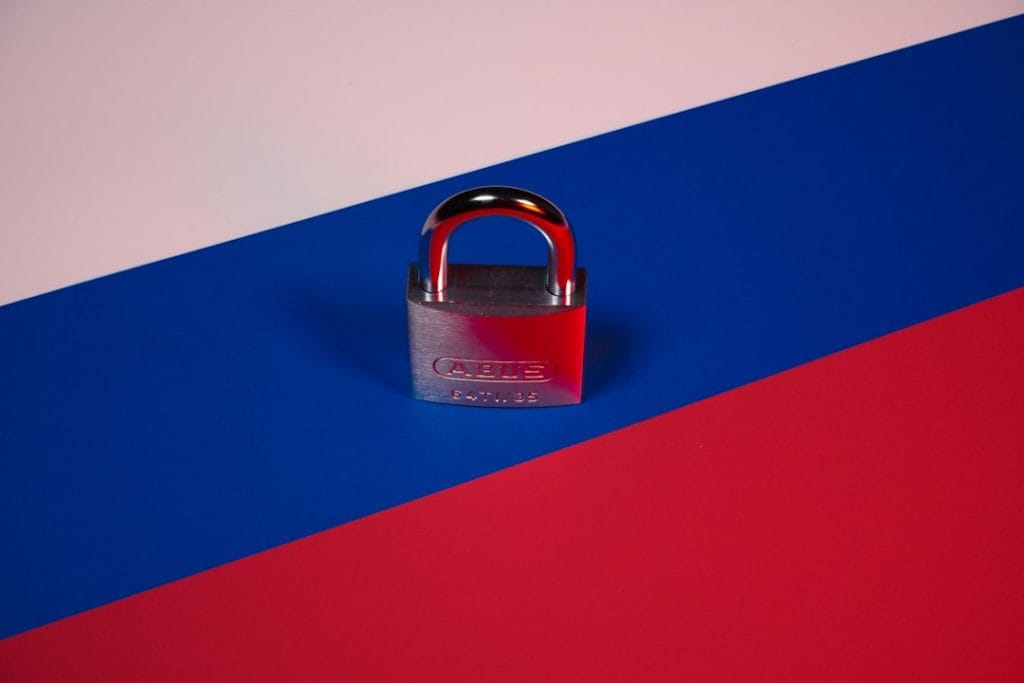
The long-term implications of these protests could be profound for Belarus's political and economic future. If the current wave of civil unrest continues, it may lead to greater isolation for Lukashenko’s regime, particularly from Western nations that may impose stringent economic sanctions. These measures could further exacerbate the country's already fragile economy, driving up unemployment and inflation, which in turn may fuel additional protests. Alternatively, if the government continues its oppressive tactics, a cycle of violent repression may ensue, prompting more severe international condemnation and intervention. Furthermore, the growing dissent has the potential to shift the political dynamics within Belarus, inspiring new opposition leaders to emerge and galvanize public support for a more democratic future. In the context of geopolitics, the situation presents a layered complexity; the responses from neighboring countries, particularly Russia, could greatly influence Belarus's trajectory. Should internal pressure mount significantly, it may challenge the previously steadfast support of the Kremlin, albeit with unpredictable consequences. This situation serves as a keen reminder of the volatile intersection of politics and public sentiment in Eastern Europe, and its ripple effects might reshape not only Belarus's environment but also its relations with the broader international community.