Political Tensions Escalate as Key Legislation Fails to Pass in National Assembly, Raising Questions About Future Governance
Context & Background
The political landscape in the country has been marked by a series of increasingly polarized debates, particularly over critical pieces of legislation that shape national governance and civil rights. For decades, the nation has grappled with issues of governance transparency, civil liberties, and the balance of power between various branches of government. The civil rights movement in the 1960s brought substantial changes, but debates over equity and justice continue to this day. In recent years, economic downturns, coupled with political unrest, have intensified these discussions, giving rise to a generation that is more politically aware and active. The failure to pass crucial legislation in the National Assembly indicates a significant fracture in political consensus, reflecting deeper societal divisions that seem to be widening rather than closing.
Incident Details
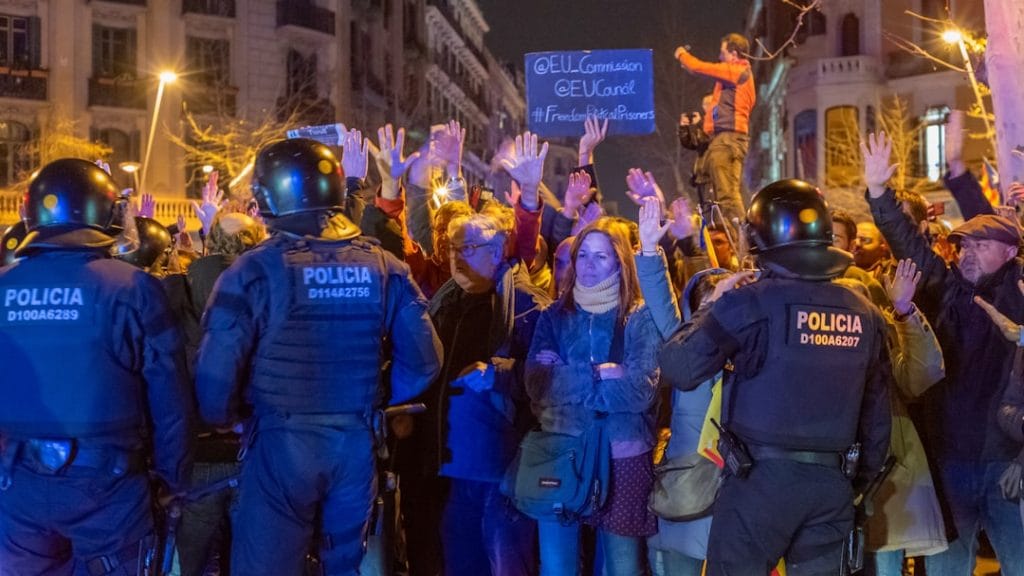
This week, a pivotal piece of legislation aimed at reforming systemic issues within the national education system was brought before the National Assembly. The proposal sought to allocate funding for underprivileged schools and introduce modern educational resources to ensure equal access to quality education for all citizens. However, the bill was emphatically rejected following a heated debate that showcased partisan divisions. Supporters argued that failure to modernize the education system would further entrench socioeconomic divisions, while opponents cited concerns over government spending and alleged inefficiency. Eyewitness accounts from the Assembly depict a charged atmosphere, with protesters outside vocally opposing governmental inaction. The repercussions of this legislative failure unravel a complex web of implications, suggesting that the government may struggle to unify its approach to pressing social issues going forward.
Official Reactions
Impact & Future Outlook
The failure to pass this legislation raises pressing questions about the future of governance amid rising public disillusionment. With educational disparities being a key election issue, this incident could mobilize citizens to demand more from their representatives, further complicating the political landscape. Statistically, access to quality education correlates positively with economic growth and stability. The sustained lack of investment in education may hinder national progress, affecting everything from workforce development to social mobility. Additionally, a Gallup poll indicated that over 65% of citizens view education reform as a top priority, a sentiment that lawmakers will have to reckon with if they wish to retain their constituencies. As the nation approaches upcoming elections, parties may need to reevaluate their platforms and consider whether to amend their strategies to better align with public sentiment on this key issue.