Ebola Outbreak May Be Spreading Faster Than First Thought, WHO Experts Warn
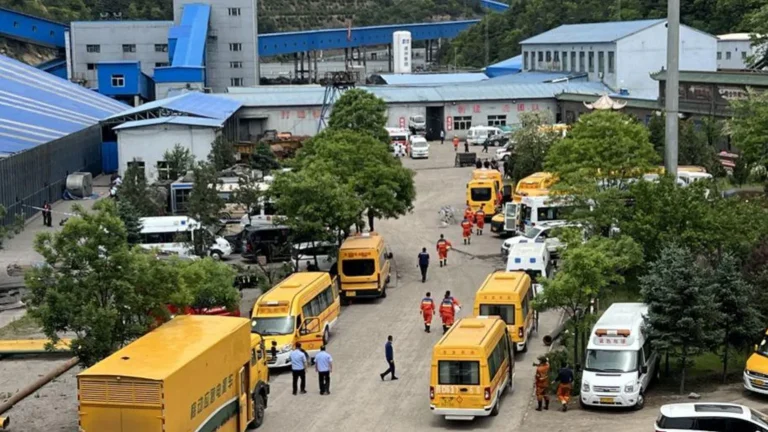
Communities living near the epicenter of a deadly new Ebola outbreak in the Democratic Republic of Congo (DR Congo) are expressing profound fear, as the World Health Organization (WHO) issues a stark warning: the virus may be spreading at a much faster rate than originally anticipated. The situation is rapidly evolving into a complex international public health emergency.
Local Communities Paralyzed by Fear
Residents of the DR Congo's north-eastern Ituri province, the identified epicenter of the current crisis, have spoken out about the terror gripping their daily lives. One local man described the harrowing reality, stating that infected individuals are dying "very fast." He added a grim summary of their plight: "Ebola has tortured us."
Another local resident, who identified himself to reporters as Bigboy, emphasized that the population is "really scared." While communities are doing whatever is in their power to protect themselves—such as rigorously washing their hands with clean water—he pointed out the critical lack of protective supplies, notably face masks. Alfred Giza, another Ituri resident, echoed these sentiments. He noted that while the community is acutely aware of the deadly threat and eagerly awaiting the distribution of face masks, a profound sense of helplessness remains. He admitted he would not know what to do or how to react if a family member or friend contracted the highly contagious disease.
Alarming Statistics and Predictive Modeling
The human toll is already devastating. Official figures indicate the virus has killed 131 people in the DR Congo, with health officials now suspecting more than 513 active cases. The outbreak has also crossed international borders, claiming one life in neighboring Uganda.
Dr. Anne Ancia of the WHO reported that the deeper the UN health agency investigates this outbreak, the clearer it becomes that the virus has permeated other areas. This ground-level observation is supported by data modeling from the London-based MRC Centre for Global Infectious Disease Analysis. Their recent study suggests there has been "substantial" under-detection of the virus, noting that it cannot be ruled out that more than 1,000 cases have already occurred. The research bluntly states that the outbreak is likely "larger than currently ascertained" and its "true magnitude remains uncertain."
The Red Cross has compounded these warnings, stressing that Ebola can escalate with terrifying speed if cases are not detected early, if communities remain misinformed, and if local health systems become overwhelmed. "We are seeing all those conditions" in the current DR Congo outbreak, the organization cautioned.
Challenges: A Rare Strain and Regional Instability
DR Congo President Félix Tshisekedi held an emergency crisis meeting, subsequently calling for "calm" while urging all Congolese citizens to remain highly vigilant. WHO Chief Tedros Adhanom Ghebreyesus, who designated the outbreak an international emergency, admitted he is "deeply concerned about the scale and speed of the epidemic."
A significant complication is the specific viral strain driving this surge: the Bundibugyo strain. Unlike the Zaire strain responsible for the catastrophic 2014-2016 outbreak (which now has an approved vaccine), there is currently no specific vaccine for the Bundibugyo virus. The WHO is urgently evaluating whether other existing experimental drugs might offer some level of protection.
Containment efforts are severely hampered by regional instability. Dr. Ancia described the Ituri province as a "very unsecured area with lots of movement of population." The virus has already spread to South Kivu—a province plagued by a long-standing humanitarian crisis—and to Goma, the largest city in eastern DR Congo with 850,000 residents, an area currently under the control of Rwandan-backed rebels.
In response, neighboring countries are moving defensively. Rwanda has effectively closed its borders with the DR Congo, while the Ugandan government has issued public health directives urging citizens to avoid hugging and shaking hands. Furthermore, international evacuations are underway. An American citizen, identified as missionary doctor Peter Stafford, is being evacuated to Germany for specialized treatment after developing symptoms. The US Centers for Disease Control and Prevention (CDC) is also actively working to evacuate at least six other Americans who were exposed to the virus.
Understanding Ebola and Its Devastating Impact
Ebola is a severe viral illness that initially mimics the flu, presenting with fever, severe headaches, and extreme fatigue. As the infection progresses, it aggressively attacks the body, causing uncontrollable vomiting, diarrhea, and eventual multiple organ failure. Many patients also suffer from severe internal and external hemorrhaging.
The virus transmits from person to person exclusively through direct contact with infected bodily fluids, such as blood, sweat, or vomit. To put the current threat into perspective, the massive West African outbreak between 2014 and 2016 infected over 28,600 people and killed 11,325 across multiple countries, including Guinea, Sierra Leone, the US, the UK, and Italy.
Source: BBC