Global Health Emergency: Americans Exposed to Deadly Ebola Outbreak in DR Congo
Source: BBC.com
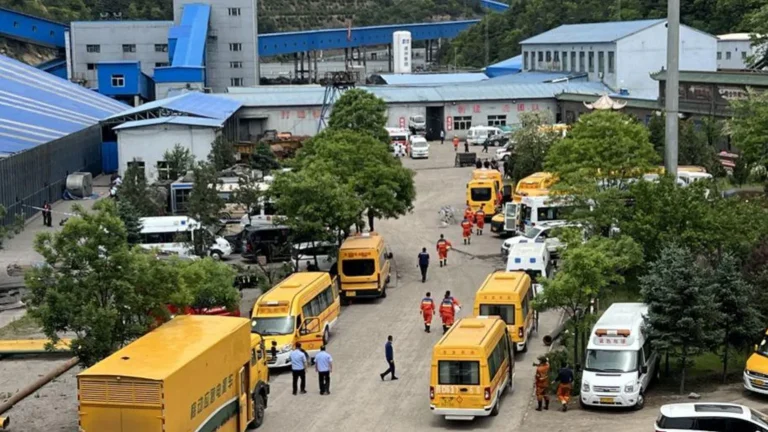
The global health community is on high alert as a severe viral crisis unfolds in Central Africa. According to reports from BBC.com, at least six American citizens have been exposed to the deadly Ebola virus amid a rapidly expanding outbreak in the Democratic Republic of Congo (DR Congo). This alarming development has triggered an immediate response from international and domestic health organizations.
WHO Declares an International Emergency
The situation on the ground is escalating quickly. The World Health Organization (WHO) has officially declared the current outbreak an international public health emergency. According to data provided by the DR Congo's health ministry, there are currently around 350 suspected cases, with the death toll already reaching 91.
While the WHO clarified that the outbreak in the eastern Ituri province has not yet met the strict criteria to be classified as a global pandemic, they issued a stark warning. The agency cautioned that this could potentially be a "much larger outbreak" than what surveillance teams are currently detecting and reporting, posing a significant risk of both local and regional spread.
The Status of US Citizens and Evacuation Plans
Details sourced by CBS News, the US partner of BBC.com, reveal that the situation involving American citizens is being treated with the utmost urgency:
-
One American citizen is currently believed to be exhibiting symptoms consistent with the virus.
-
Three other Americans reportedly faced a high-risk contact or direct exposure to the pathogen.
-
It remains unconfirmed whether any of the individuals have definitively contracted the infection.
The US Centers for Disease Control and Prevention (CDC) announced it is actively supporting the "safe withdrawal of a small number of Americans who are directly affected." While the exact numbers and logistics remain highly classified, sources indicate the US government is arranging specialized transport to a secure quarantine location. Reports suggest this could be a US military base in Germany, though this remains unconfirmed. In response to the escalating danger, the US State Department has issued a Level Four travel advisory—its highest warning—strongly urging citizens against any travel to the DR Congo.
The Bundibugyo Strain: A Medical Challenge
What makes this particular outbreak incredibly dangerous is the specific strain of the virus involved. The infections are caused by the Bundibugyo virus, a rarer strain of Ebola for which there are currently no approved antiviral drugs or vaccines. The complete absence of pharmaceutical interventions means that strict infection control, contact tracing, and isolation are the only effective tools available to health workers.
Regional Spread and Border Security Measures
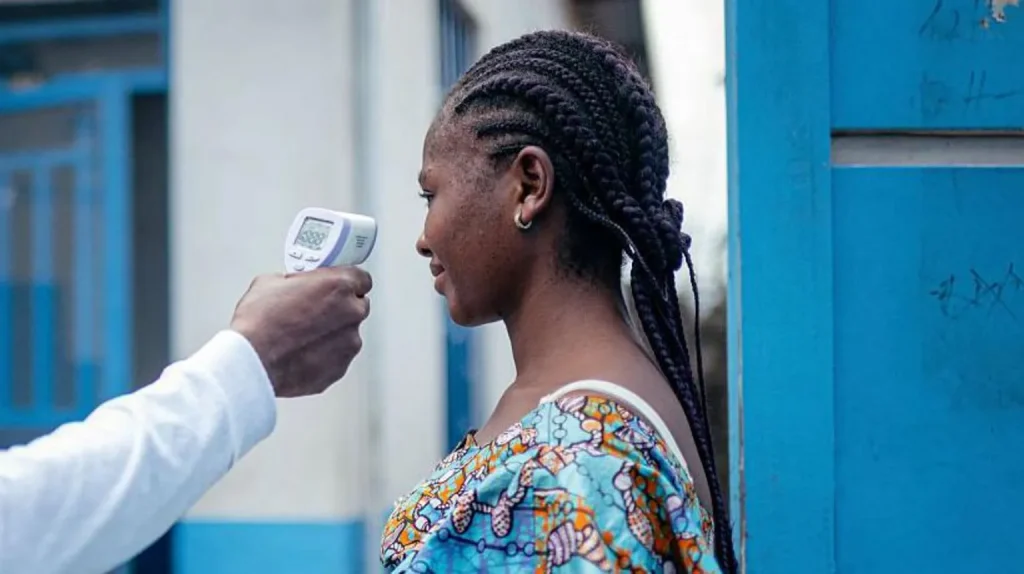
The virus is already showing signs of regional spread. The CDC confirmed that neighboring Uganda has recorded two confirmed cases and one death. Consequently, the WHO has strongly advised both DR Congo and Uganda to implement rigorous cross-border health screenings to prevent further international transmission.
Neighboring nations are taking immediate defensive actions:
-
Rwanda announced it is heavily tightening medical screening protocols along its border with the DR Congo as a vital "precautionary measure."
-
Nigeria, an economic hub in the region, stated it is "closely monitoring the situation."
Echoes of the Devastating 2014-2016 Pandemic
Jean Kaseya, the director general of the Africa Centres for Disease Control and Prevention, issued a powerful warning regarding cultural practices and virus transmission. Speaking to the BBC.com World Service’s Newsday programme, he stressed the dangers of traditional burial practices: "We don't want people infected because of funerals," he stated.
During the catastrophic 2014-2016 outbreak in West Africa—the largest in history—community funerals where loved ones washed the bodies of the deceased were a primary driver of the virus's rapid spread. That historic outbreak ultimately infected over 28,600 people and killed 11,325 across multiple continents, serving as a grim reminder of why immediate and robust public health interventions are necessary today.