Israel, Lebanon, and the Complexity of Regional Conflict: An Analysis of the Current Situation
The Continuation of Attacks on Lebanon
The recent climate of tension in the Middle East has been exacerbated by Israel's decision to exclude Lebanon from the ceasefire agreement brokered by the United States. Despite engaging in temporary agreements with Iran, Israel distinctly separates this accord from its military actions against Beirut. These maneuvers not only cast a shadow over the region's stability but also raise pertinent questions regarding the future of relationships among states involved in this protracted historical conflict.
The Impact on Lebanese Civilians
For decades, Lebanon has served as a battleground for international and regional forces, with its citizens bearing the brunt of perpetual instability. Recent Israeli attacks have left numerous towns and villages devastated, forcing residents to confront an acute humanitarian crisis, especially given the existing vulnerability of the population. Each time they strive to return to normalcy, another assault serves as a stark reminder of the fragility of peace.
Diplomatic and Military Strategies in a Stagnating Conflict
Israel's choice to persist with attacks on Lebanon despite international negotiation efforts implies a calculated strategy. It appears that Tel Aviv is asserting its rights as a regional authority in light of potential threats posed by Hezbollah. This militarized approach aims not only to eliminate perceived threats but also to reinforce an image of strength before international partners and regional adversaries alike.
Preparing for New Escalations
In a region where violations of ceasefire have become a 'modus operandi,' each Israeli strike transcends being merely a military blow; it is a precision operation that ostensibly seeks to minimize damage to civilian infrastructure. However, the international community's response to these actions will significantly influence the future trajectory of this conflict. It is essential to observe how various global or regional powers react to escalating tensions that, thus far, have provoked cries for help from Lebanon.
The Role of the United States in International Diplomacy
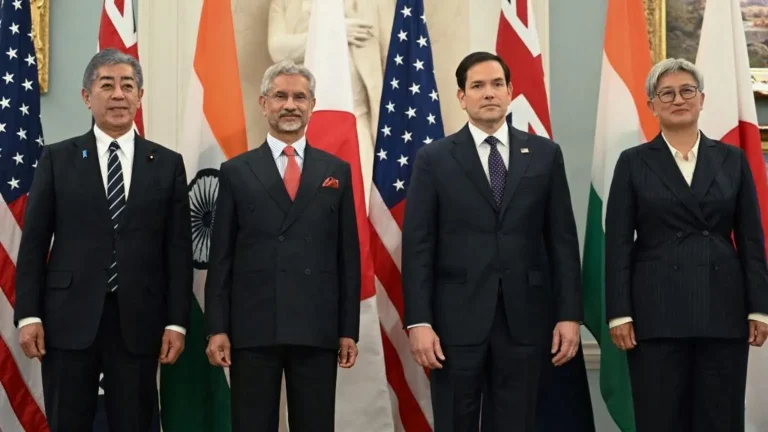
The American presence in the Middle East has remained constant for decades, and the recent ceasefire agreement with Iran demonstrates a desire to de-escalate tensions, at least temporarily. Nevertheless, by excluding Lebanon from these negotiations, the United States risks being perceived as complicit in the ongoing conflict within the country. Furthermore, U.S. decisions could have ripple effects on other international actors, who may adjust their policies in accordance with American caution.
Refugees and the Humanitarian Crisis
Whenever confrontations break out, Lebanon becomes a refuge for those fleeing violence. However, the country's resources are limited, and its capacity to manage refugee flows is now under significant strain. Moreover, international organizations face challenges in assisting those affected, as they attempt to mobilize humanitarian aid in a region continuously beset by tension.
Future Perspectives for Lebanon and Israel
The confrontation between Israel and Lebanon seems far from resolution, with each attack perpetuating a vicious cycle of violence. Unlike other regional conflicts that have seen notable progress toward peace, Lebanon finds itself stagnating, where each dialogue starts from scratch. This situation renders the prospects for peace increasingly remote, making it seem an almost utopian goal.
Exploring Hezbollah’s Role
Hezbollah, the Lebanese militant group, plays a crucial role in the current conflict context. Backed by Iran, the group has become an essential player in the regional dynamics and a constant target for Israel. However, Hezbollah's scope and influence in Lebanon further complicate any potential resolution, as the group justifies its actions by citing the need to defend Lebanon's sovereignty. Consequently, any Israeli military maneuver is unlikely to achieve a lasting impact on stability; instead, it risks exacerbating the image of a protracted conflict.
The Warhial Perspective
The conflict between Israel and Lebanon exemplifies the challenges of restoring peace in a region burdened by history and emotional weight. Despite international interventions, the political changes and terrorist groups operating on the ground make achieving a viable solution exceedingly difficult, verging on impossible. Warhial posits that to attain lasting peace, there must be genuine willingness from all involved parties, alongside a diplomatic strategy that acknowledges local and regional realities. This confrontation transcends mere military strategy, necessitating a humanitarian and diplomatic approach that brings together all stakeholders.