Iran's Justice System to Speed Up Trials for Protest-Related Arrests
Current Context of Protests in Iran
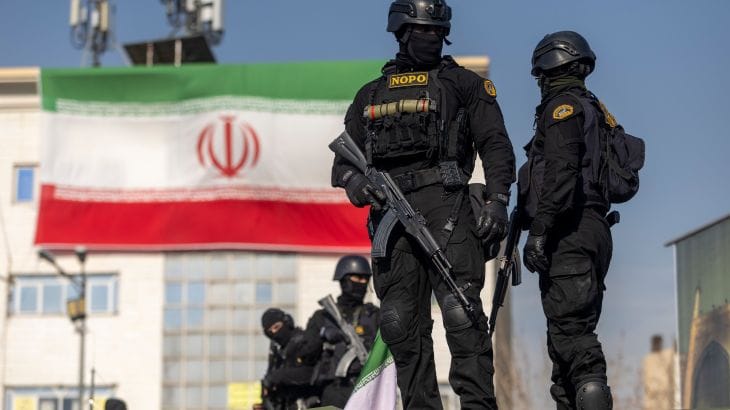
The head of Iran's judiciary has pledged to expedite trials for individuals arrested during a series of protests, termed "clashes" by authorities. Human rights groups warn that the justice system is expected to broadly employ the death penalty. Gholam-Hossein Mohseni-Ejei, the President of the Supreme Court, stated on state television Wednesday that those who "decapitated people or burned them in the street" should be "judged and punished as quickly as possible."
Tehran prosecutors announced that they will be charging "moharebeh," meaning "waging war against God," against the "clash instigators and saboteurs" arrested following the deadly demonstrations. Although Iran has not released an official death toll, authorities claim that over 100 security members have been killed, while opposition activists assert that the number exceeds 1,000, with the U.S.-based Human Rights News Agency reporting at least 2,571 deaths. Iranian state television reported that mass funerals took place in Tehran, involving 300 bodies of both security forces and civilians.
Tohid Asadi, a reporter for Al Jazeera from the capital, noted that the state is attempting to differentiate between protesters and "clash instigators," as termed by Supreme Leader Ali Khamenei. "The judiciary states it will conduct rapid trials for those who killed people, carried arms, or destabilized the country," Asadi added. "When it comes to peaceful protesters, there is no such statement from Iranian officials."
A Kurdish Iranian rights group, Hengaw, reported that a 26-year-old man, Erfan Soltani, arrested in connection with the protests in Karaj, was set to be executed on Wednesday. Amnesty International has called on Iran to immediately halt all executions, including that of Soltani. The protests, which began on December 28 in response to rampant inflation and the plummeting value of the national currency, have become a significant challenge for the Iranian theocratic state since 1979. President Masoud Pezeshkian acknowledged the genuine economic grievances of Iranians who took to the streets. "Before we hear the voices of merchants, shopkeepers, and various segments of society, we must pursue their demands and concerns to find solutions," he stated.
Authorities have also accused "foreign elements" of instigating attacks against security officers. Foreign Minister Abbas Araghchi described the unrest as the result of "incitement" allegedly supported by Israel and the United States. In recent days, U.S. President Donald Trump has repeatedly threatened military action if Iranian security forces kill protesters. On Tuesday, he urged Iranian protesters to "remember the names of their killers and abusers" to later hold them accountable and encouraged the Iranian people to "continue the protests" and take control of state institutions as "help is on the way."