Ancient 3.7 Billion-Year-Old Rocks Uncover Earth's and Moon's Formation
A Discovery That Changes Perspectives on Earth's and Moon's Formation
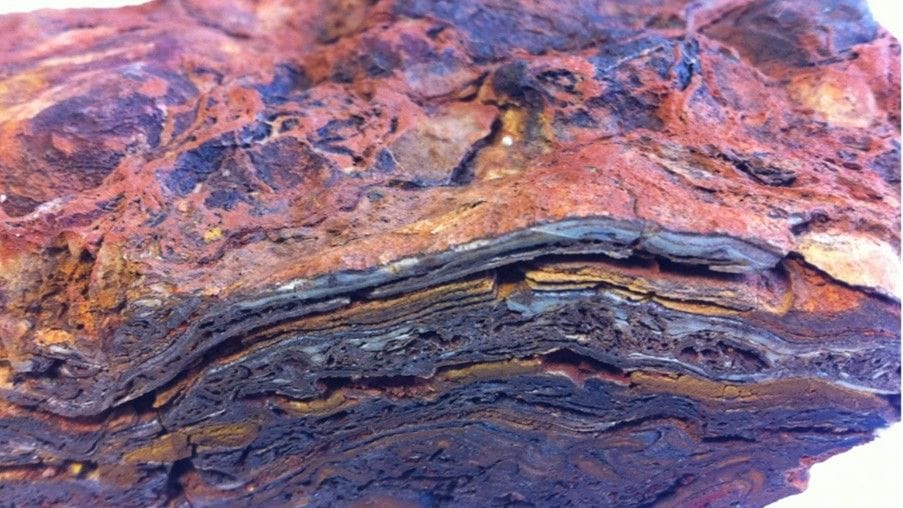
Ancient rocks from Australia, dating back approximately 3.7 billion years, have provided new insights into how a catastrophic cosmic impact contributed to the formation of the Moon and delayed the development of Earth's continents. A study led by an international team of researchers from the University of Western Australia has revealed that Earth did not start to form its continents immediately after its birth, but rather about one billion years later.
By analyzing microscopic feldspar crystals from the oldest volcanic rocks in Australia, researchers identified chemical evidence suggesting a significant increase in continental formation around 3.5 billion years ago. This finding contradicts previous hypotheses regarding the rapid pace of Earth's development. By comparing terrestrial rocks with lunar samples brought to Earth during the Apollo missions, the team identified remarkable similarities, supporting the theory of a gravitational impact occurring between glacial periods and the formation of the Moon.
The study has been supported by the Australian Research Council, and its results were published in the journal Nature Communications.