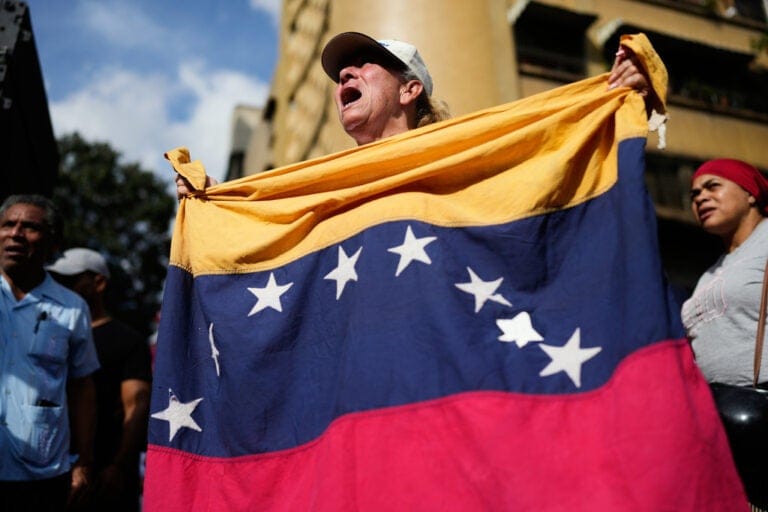
US Military Captures Nicolas Maduro in Venezuela
Capture of Maduro and International Implications
On January 3, 2026, United States armed forces undertook a dramatic operation in Venezuela, resulting in the capture and forced removal of President Nicolas Maduro and his wife, Cilia Flores. They were transported to New York and are now in federal custody. Maduro appeared in federal court facing charges related to drugs and weapons, pleading not guilty.
This military operation has been described by various governments, international experts, and United Nations officials as an illegal "kidnapping" and a violation of international law. The UN Secretary-General warned that this precedent is dangerous, undermining fundamental norms of sovereignty as outlined in the UN Charter.
The True Motive Behind the Intervention
While Washington justifies this action with rhetoric concerning oil and narcotics, a deeper analysis reveals an ideological battle influenced by domestic political interests in the U.S., particularly the influence of the electorate in Florida. Venezuela's oil reserves are often cited as the primary reason behind this conflict; however, imports of Venezuelan oil have drastically declined, now accounting for less than 4% of U.S. import needs.
Political Context in Florida and Its Influence
U.S. foreign policies are significantly influenced by the electorate in Florida, a crucial state in presidential elections, with a politically mobilized Latino community. Cuban-American votes have traditionally leaned against communist regimes, and Venezuelan communities have voiced opposition to authoritarian governance. Marco Rubio, the U.S. Secretary of State and a Florida native, is central to this dynamic, with a political biography deeply connected to opposition against leftist governments in Latin America.
International Consequences
The capture of a sitting head of state without multilateral authorization risks undermining norms of international law. This action also highlights the ongoing relevance of the Middle East, in the context of a global energy market that is becoming less dependent on oil from the region. Middle Eastern states must adjust their diplomatic strategies, engaging in collaborations with the U.S. where interests align, while also preparing for possible abrupt changes dictated by domestic policies.