Protests Escalate Across Iran Amid Economic Crisis
Escalation of Protests in Iran
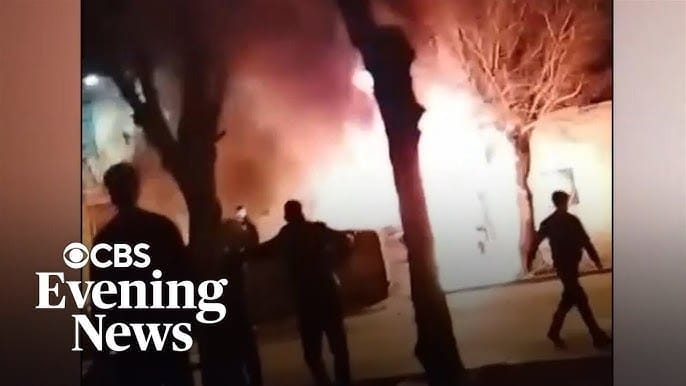
Tehran, Iran – Over the past week, protests and strikes have spread across Iran against the backdrop of an acute economic crisis and ongoing grievances in multiple sectors. Traders took to the streets and closed their businesses in central Tehran on December 28, triggering demonstrations recorded in most of the country's 31 provinces.
Historical Context of Protests
Iran has a long tradition of popular protests, with the last Shah removed in 1979 during an Islamic revolution that established the current theocratic regime. In the early weeks following the revolution, women protested against a decree from the Supreme Leader, Ayatollah Ruhollah Khomeini, which mandated the wearing of the hijab. This measure created significant tension, culminating in the Mahsa Amini protests from 2022 to 2023.
Student Protests and Reform Movements
Between 1999 and 2003, student-led protests intensified in Iran, fueled by media censorship and repressive measures against reformists. In 2009, following controversial presidential elections, Iran was shaken by the largest protests in recent history, known as the "Green Movement."
Authorities' Reaction and Escalating Repression
Over the years, authorities have increasingly responded with severity, using force and brutality against protesters. In 2017, protests erupted due to economic hardships, and in 2019, unrest followed a sudden rise in fuel prices. Each wave of protests has been met with severe reprisals, including internet shut-downs and mass arrests.
Recent Upsurge in Grievances
This turmoil shows no signs of stopping. The death of Mahsa Amini reignited national outrage, fueling hundreds of thousands of protesters calling for profound changes. The slogan "Woman, Life, Freedom" has become a symbol of this movement, demonstrating the people's desire to combat oppression. Amid economic crisis and social instability, the protests of 2026 represent just a new chapter in a long-standing narrative.